


Views: 0 Author: Site Editor Publish Time: 2026-07-21 Origin: Site


The industrial shift toward electrification is forcing engineering and procurement teams to re-evaluate traditional engine-driven and pneumatic fluid power systems. Facilities struggle to balance the demand for high-force output with increasingly strict environmental regulations, rising energy consumption, and the need to reduce unplanned maintenance downtime. Relying on outdated power delivery methods often results in excessive energy waste and compromised operational efficiency. Transitioning to a hydraulic electrical pump offers a measurable pathway to address these bottlenecks, provided the system is correctly sized and matched to the specific application's pressure and flow requirements. By integrating advanced electric motor technology with robust fluid power mechanics, operations can achieve superior force control while drastically reducing their environmental footprint. This guide explores the operational advantages, technological comparisons, and strategic sourcing methods for implementing these advanced pumping systems.
Energy Efficiency: Electric-driven systems drastically reduce power consumption, particularly through standby mode conservation when flow and pressure are not actively required.
Precision and Control: Advanced motor controls offer superior runaway prevention and exact load management compared to traditional engine-driven counterparts.
Strategic Sourcing: Identifying a high-quality hydraulic pump requires rigorous evaluation of vendor testing standards, especially when navigating global supply chains and regional manufacturing hubs.
Continuous-run engine systems inherently draw substantial power regardless of the actual load demand. These legacy systems maintain high idle speeds to ensure immediate torque availability, resulting in constant fuel consumption and energy waste. In contrast, on-demand electric motors provide a highly responsive power profile. They draw maximum amperage only during active running modes when flow and pressure actively operate a function. This fundamental difference in power draw mechanics translates to significant energy conservation over a standard operating shift. The true efficiency of an electric system becomes apparent when analyzing standby mode. When a hydraulic circuit must hold pressure without requiring additional fluid flow, an electric drive can reduce energy waste to near zero. Advanced control systems allow the motor to maintain system pressure while minimizing rotational speed. This dual-mode conservation ensures that electrical energy is utilized exclusively for productive mechanical work, eliminating the parasitic losses associated with constant-running combustion engines. We see this frequently in heavy press applications where the holding phase outlasts the active stroke phase by a significant margin.
To fully grasp the energy dynamics, you have to look at the duty cycle of the machinery. If a machine operates on a 30% active duty cycle, an engine-driven system wastes energy for the remaining 70% of the time. An electric system, equipped with a variable frequency drive (VFD), ramps down the motor RPM during that 70% idle time. The power consumption drops exponentially as the motor speed decreases, following the affinity laws of fluid dynamics. This means that even a 20% reduction in motor speed can yield nearly a 50% reduction in energy consumption. When applied across multiple machines on a factory floor, the reduction in kilowatt-hour usage is massive. Furthermore, the reduction in wasted energy directly correlates to a reduction in heat generation within the hydraulic fluid, which in turn lowers the demand on the facility's cooling infrastructure.
Electric drives allow for variable speed control, translating directly to precise actuator movements during high-force physical operations. By utilizing electronic feedback loops, operators can dictate the exact speed and position of hydraulic cylinders. This level of control is critical in applications where sudden movements or pressure spikes could damage sensitive components or compromise structural integrity. The integration of precision pressure sensors ensures that the system responds instantaneously to changing load conditions. The tremendous forces generated by hydraulics are managed with extreme accuracy for tasks like heavy structural lifting, industrial clamping, and metal bending or forming. In metal stamping, for instance, the ability to control the ram speed throughout the stroke prevents material tearing and improves part quality.
Furthermore, these integrated electronic feedback loops mitigate runaway risks. If a sudden drop in resistance occurs, the control system immediately throttles the electric motor, preventing uncontrolled actuator acceleration and enhancing overall workplace safety. When lifting heavy loads, such as bridge segments or large industrial machinery, the ability to synchronize multiple cylinders is paramount. Electric-driven hydraulic systems can utilize proportional valves and advanced PLC integration to ensure that all lifting points move at the exact same rate, regardless of uneven weight distribution. This prevents binding and structural stress that could lead to catastrophic failure. The precision offered by electric control transforms brute hydraulic force into a highly manageable and safe tool for complex engineering tasks.
Switching from internal combustion engines to electric motors results in a dramatic decibel reduction, making operations indoor-friendly. Traditional engine-driven pumps generate significant noise pollution, often requiring specialized acoustic enclosures or forcing facilities to locate power units outside. Electric motors operate quietly, allowing the hydraulic power unit to be placed directly adjacent to the machinery it serves. This proximity reduces the required length of hydraulic hosing, thereby decreasing pressure drops and improving system response times. Fluid leakage has long been a traditional pain point in fluid power systems. Electric drives enable smoother pressure transitions, reducing the severe pressure spikes that degrade seals and cause premature fluid loss.
By ramping the motor speed up and down gradually, the hydraulic circuit avoids the hydraulic shock commonly associated with mechanical throttle linkages. Additionally, the elimination of local exhaust emissions satisfies strict compliance standards in clean-room, food-grade, or highly regulated environments where air quality cannot be compromised. The reduction in vibration also plays a major role in leak prevention. Internal combustion engines vibrate heavily, which over time loosens fittings and degrades O-rings. Electric motors run smoothly, significantly reducing the mechanical fatigue on the plumbing connections. This leads to a cleaner, safer work environment and drastically reduces the amount of hydraulic fluid required for top-offs, further minimizing the environmental impact of the operation.
Evaluating the success criteria for pump technologies requires a clear understanding of the operational environment. Continuous remote operations lacking reliable grid access often favor engine-driven systems due to their independence from electrical infrastructure. However, facility-based, high-cycle operations overwhelmingly favor electric systems. The consistent power quality of an industrial grid allows electric pumps to operate continuously without the logistical challenges of fuel delivery and storage. There is a distinct trade-off between the immediate high-torque availability of diesel engines and the consistent, scalable power delivery of electric motors. While engines can provide massive bursts of torque for sudden, heavy loads, they lack the digital integration capabilities of modern electric drives.
Electric motors, when paired with intelligent controllers, offer a highly customizable power curve. This allows engineers to program specific acceleration and deceleration profiles, optimizing the hydraulic output for complex, multi-stage manufacturing processes. For example, in a plastic injection molding machine, the system requires high flow for rapid mold filling, followed by high pressure and low flow for the holding phase. An electric system can transition between these states seamlessly, whereas an engine-driven system would struggle to adapt quickly without generating excessive heat and wasting fuel. The choice ultimately comes down to the availability of electrical infrastructure and the level of control required by the application.
Transitioning from an engine-driven system to a hydraulic pump powered by electricity requires critical engineering changes. Physical mounting structures must be redesigned to accommodate the different footprint and vibration characteristics of an electric motor. Precise coupling alignment is mandatory; any angular or parallel misalignment between the motor shaft and the pump will lead to premature bearing failure and compromised efficiency. Additionally, hydraulic control line plumbing often requires rerouting to match the new component layout. The integration of Variable Frequency Drives (VFDs) and electrical control panels replaces traditional mechanical throttle linkages.
Conduct a comprehensive power quality audit to ensure the facility can handle the inrush currents of the new electric motor.
Design and fabricate a rigid mounting base to support the electric motor and pump assembly, ensuring proper vibration isolation.
Install a precision laser-aligned coupling between the motor and pump shafts to prevent premature bearing wear.
Integrate the Variable Frequency Drive (VFD) and connect it to the facility's PLC network for centralized control.
Reroute and upgrade hydraulic hoses to accommodate the new component layout and minimize pressure drops.
Perform a phased commissioning process, starting with low-pressure tests before ramping up to full operational loads.
Upgrading the facility's electrical infrastructure is often necessary to handle the inrush currents associated with starting large electric motors. Proper grounding and shielding of control cables are also required to prevent electromagnetic interference from disrupting the sensitive electronic feedback loops. The retrofit process must be carefully planned to minimize downtime, often requiring a phased approach where the new electric system is installed and tested in parallel with the legacy engine system before the final cutover.
Pairing an electric motor with a high-performance piston pump is the standard for high-pressure, high-efficiency requirements. Piston designs offer exceptional volumetric efficiency, meaning they generate very little internal leakage even at extreme operating pressures. This efficiency maximizes the electrical energy input, converting raw kilowatt-hours into usable hydraulic horsepower with minimal heat generation. Reduced heat generation lowers the demand on system cooling circuits, further improving overall energy utilization. The mechanical design of a piston pump allows it to handle the rapid speed changes dictated by a VFD without suffering from cavitation or internal wear.
Their robust construction ensures reliable fluid delivery across a wide range of operating speeds. When integrated into an electric system, these pumps provide the precise, repeatable fluid flow necessary for demanding industrial applications, ensuring that the electrical power is translated into mechanical work with the highest possible fidelity. Unlike gear or vane pumps, which suffer from increased internal slip at high pressures, piston pumps maintain their efficiency curve across a much broader operating range. This makes them the ideal companion for electric motors, which also operate most efficiently when the load is carefully managed and controlled.
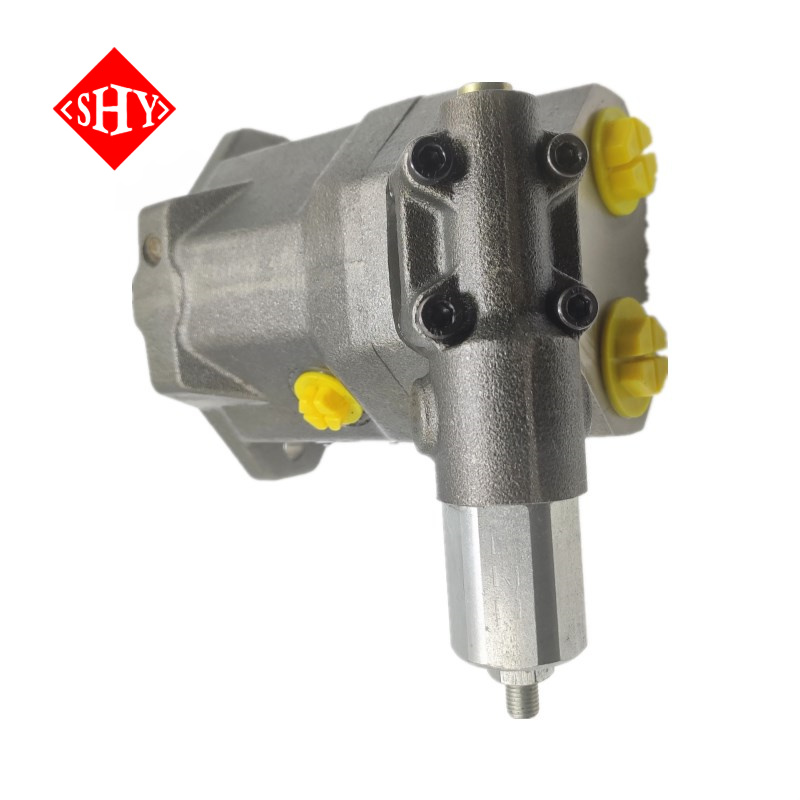
The A10VO A10VSO High Pressure Hydraulic Piston Pump serves as an industry benchmark for evaluating variable displacement capabilities in electric-driven setups. This specific architecture excels in environments requiring rapid pressure compensation and precise flow control. By adjusting its swashplate angle, the pump alters its displacement dynamically, matching the exact fluid demand of the circuit without requiring the electric motor to constantly change speeds. Industrial applications such as plastic injection molding, metal stamping, and heavy pressing rely heavily on this pump architecture under electro-hydraulic control.
In injection molding, the pump provides the high flow required for rapid mold filling, followed immediately by the high pressure and low flow needed for the holding phase. The seamless transition between these states, facilitated by the pump's variable displacement design and the electric motor's precise control, results in faster cycle times and superior product consistency. The ability to destroke the pump during idle periods further enhances the energy savings provided by the electric motor, creating a highly optimized power delivery system that outperforms traditional fixed-displacement setups in almost every metric.
Electric systems fundamentally alter the maintenance schedule of fluid power operations. Compare the maintenance requirements: electric systems primarily need routine oil analysis, filter replacements, and occasional motor bearing lubrication. Engine-driven systems require constant attention to belts, fuel filters, exhaust systems, cooling jackets, and regular oil changes. The sheer number of moving parts in an internal combustion engine introduces multiple points of failure that simply do not exist in an electric motor. By eliminating the engine, you eliminate the associated maintenance labor and parts inventory.
Furthermore, steady electric motor operations minimize vibration, thereby reducing mechanical wear and extending the operational lifespan of the entire hydraulic circuit. The smooth torque delivery of an electric motor prevents the harsh mechanical shocks that can damage pump internals and fatigue hydraulic hoses. This leads to fewer blown hoses, fewer leaking fittings, and a significantly longer lifespan for the pump itself. When you combine the reduced maintenance requirements with the extended component longevity, the operational availability of the machinery increases dramatically, allowing facilities to meet aggressive production targets without interruption.
Procuring a reliable system requires a rigorous evaluation of critical technical dimensions. Maximum operating pressure, typically measured in PSI or Bar, must align with the most demanding actuator in the circuit. Volumetric displacement determines the fluid volume delivered per revolution, directly impacting actuator speed. Engineers must also differentiate between continuous and intermittent duty cycles; a pump rated only for intermittent duty will overheat and fail if subjected to continuous, high-pressure operations. It is crucial to match the electric motor's RPM and torque curves with the pump's optimal input speed.
Specification | Importance in Electric Systems | Evaluation Criteria |
|---|---|---|
Maximum Operating Pressure | Determines the maximum force the system can generate. | Must exceed the highest load requirement by at least 15% for safety margins. |
Volumetric Displacement | Dictates the speed of the actuators at a given motor RPM. | Match with VFD capabilities to ensure adequate flow at lower speeds. |
Duty Cycle Rating | Indicates how long the pump can operate at maximum pressure. | Select continuous duty for industrial manufacturing; intermittent for lifting. |
Input Speed Range | Ensures compatibility with the electric motor's RPM curve. | Verify minimum speed to prevent cavitation and maximum speed to prevent wear. |
Operating a pump below its minimum speed can lead to inadequate lubrication and internal wear, while exceeding its maximum speed risks cavitation and catastrophic failure. Thermal ratings must also be scrutinized to ensure the pump can dissipate the heat generated during extended operations, particularly in environments with high ambient temperatures. Proper filtration is also critical; electric systems often operate at higher pressures and tighter tolerances, making them more susceptible to contamination-induced failures.
Evaluating a China hydraulic pump manufacturer requires a structured framework to ensure industrial durability. Verify ISO 9001 certifications to confirm the presence of a standardized quality management system. Request material traceability documentation for critical castings and internal components to ensure they meet specified metallurgical standards. Factory acceptance testing (FAT) protocols should be reviewed to confirm that each unit is subjected to rigorous performance validation before shipment. Differentiating between commoditized low-tier pumps and engineered, high-quality hydraulic pump solutions is essential for continuous-duty enterprise applications.
High-quality manufacturers invest heavily in precision machining and advanced surface treatments to enhance component longevity. They provide comprehensive engineering support, detailed performance curves, and readily available replacement parts, ensuring the system remains operational throughout its intended lifecycle. When sourcing globally, it is also important to establish clear communication channels regarding warranty support and technical troubleshooting. A reputable manufacturer will stand behind their product with robust documentation and responsive engineering teams.
Inadequate facility electrical infrastructure presents a significant implementation risk. Voltage drops, harmonic distortion, or insufficient amperage can cause erratic motor behavior and premature failure of control electronics. To mitigate this, conduct a professional power quality audit before installation. Installing line reactors or harmonic filters can stabilize the power supply, ensuring the VFD and electric motor receive clean, consistent power. System overheating during extended high-pressure holding phases is another common challenge.
When a pump holds maximum pressure with minimal flow, the internal bypass fluid generates substantial heat. To address this, integrate dedicated kidney-loop cooling circuits to actively manage fluid temperatures. Utilizing variable displacement pumps allows the system to destroke during holding phases, drastically reducing internal heat generation and protecting the hydraulic fluid from thermal degradation. Proper reservoir sizing and the use of high-efficiency heat exchangers are also critical components of a robust thermal management strategy.
Audit your current fluid power system's energy consumption to establish a baseline for efficiency improvements.
Consult with a qualified fluid power engineer to calculate the precise volumetric displacement and pressure requirements for your specific application.
Request detailed performance curves and factory acceptance test documentation from shortlisted manufacturers before finalizing procurement.
Assess your facility's electrical infrastructure to ensure it can handle the specific power requirements of the new electric motor and VFD setup.
A: The primary advantage is superior energy efficiency achieved through on-demand power delivery. Electric pumps conserve energy during standby modes, eliminate local exhaust emissions, and significantly reduce noise pollution, making them ideal for indoor and highly regulated industrial environments.
A: Piston pumps offer exceptional volumetric and mechanical efficiency, minimizing internal fluid leakage at high pressures. Their variable displacement designs adjust fluid flow to match system demand, reducing unnecessary load on the electric motor and minimizing heat generation.
A: Yes, they are highly suitable. Architectures like the A10VO A10VSO series are specifically designed for heavy-duty, high-cycle operations. They provide the extreme force and precise electronic control required for demanding tasks such as heavy lifting and metal forming.
A: The transition requires structural mounting adjustments for the motor, precise coupling alignment, and the integration of Variable Frequency Drives (VFDs). Facilities must also ensure adequate electrical power drops and update control loops to match electric-motor response times.
A: Verify material traceability, request comprehensive factory acceptance test (FAT) documentation, and confirm ISO 9001 compliance. Ensure the manufacturer provides detailed performance curves, engineering support, and reliable availability of replacement parts for long-term maintenance.


