


Views: 0 Author: Site Editor Publish Time: 2026-06-30 Origin: Site


Procurement teams often face a significant challenge when sourcing hydraulic equipment. Upfront quotes rarely tell the full story of your long-term operational expenses. We know you need absolute clarity in a confusing marketplace. This guide provides engineers and purchasing managers a transparent framework. We break down core cost drivers and critical lifecycle considerations comprehensively. You will learn how to evaluate a Gear Pump effectively and accurately.
Our approach remains highly skeptical and strictly evidence-based. Over-specifying a system wastes valuable capital. You could deploy this capital elsewhere. Conversely, under-specifying leads to catastrophic system failures and heavily costly operational downtime. By understanding these technical dynamics, you can make smarter sourcing decisions. You balance immediate budget constraints against mandatory long-term reliability. A well-chosen Hydraulic Pump secures system stability and protects your operational margins. A poorly matched unit drains resources through continuous maintenance and premature replacement cycles. Read on to master the exact evaluation criteria required for your next vital purchase.
Cost Drivers: Material selection (aluminum vs. cast iron) and pressure ratings are the primary variables influencing base unit price.
Design Variances: Internal gear pumps generally command a higher initial price than external models due to precision machining and lower noise output.
Total Cost of Ownership: Upfront cost accounts for a fraction of lifecycle expenses; fluid compatibility, maintenance intervals, and efficiency degradation dictate actual long-term value.
Specification Tiering: Sizing matters. Moving through specific series variants directly scales the required investment based on exact volumetric needs.
Buyers often wonder why similar-looking units carry vastly different price tags. The market features a massive spectrum of product tiers. Prices range drastically from standard off-the-shelf units to highly engineered custom assemblies. Off-the-shelf models leverage mass production economies. They keep initial investments low. Custom assemblies require specialized engineering and low-volume production runs. This specialization drastically drives up the base manufacturing costs.
Material selection dictates a massive portion of this base price. You must weigh these material implications carefully before ordering.
Aluminum housings: These offer a highly cost-effective solution for lighter demands. They work perfectly for lower-pressure applications across many industries. Engineers often specify them for intermittent duty cycles. The lighter weight also reduces international shipping expenses. They dissipate heat quickly. This rapid dissipation helps in compact mobile systems.
Cast iron housings: These units command a noticeable upfront premium. You absolutely need them for high-pressure industrial environments. They handle rigorous, continuous-duty operations effortlessly. Their superior fatigue resistance justifies the initial investment. Iron prevents housing deflection under extreme pressure spikes.
Performance metrics push the purchase price higher incrementally. Maximum operating pressure directly impacts manufacturing complexity and material density. Higher pressure ratings require significantly thicker housing walls. They also demand exceptionally tighter internal clearances to prevent fluid slip. Displacement measures the exact flow rate per revolution. Larger displacement volumes require much more raw material to cast. They also demand larger machining envelopes during the manufacturing stage. These specific factors incrementally drive up manufacturing costs across the board. Consequently, they raise the final purchase price you see on your quote.
Material Impact on Base Unit Cost Strategy | |||
Material Type | Duty Cycle Suitability | Pressure Rating Level | Relative Initial Investment |
|---|---|---|---|
Aluminum Housing | Intermittent / Light | Low to Medium | Lower / Cost-Effective |
Cast Iron Housing | Continuous / Heavy | High to Extreme | Premium / Higher |
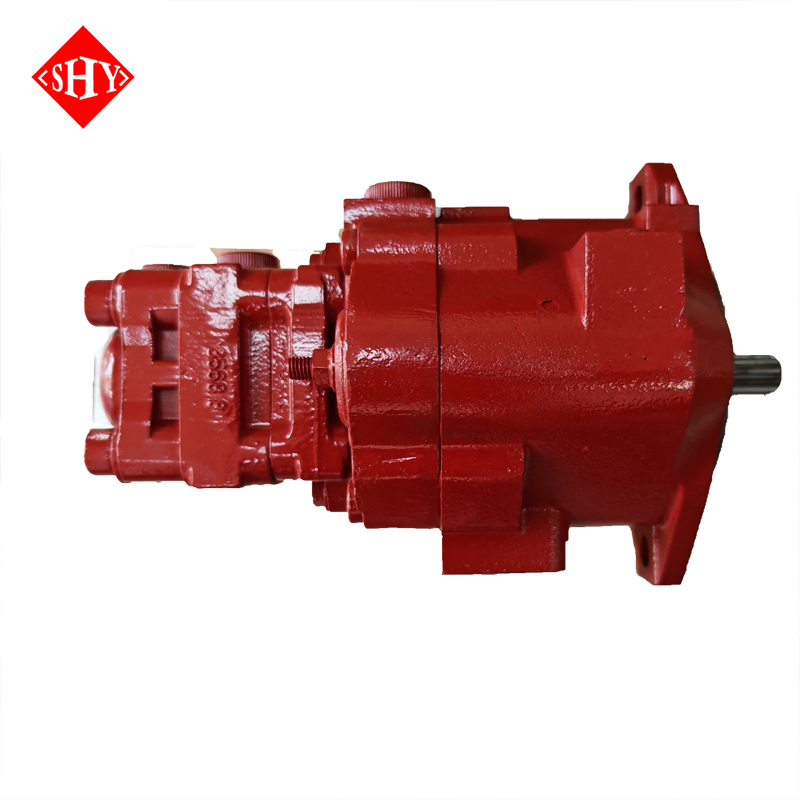
Selecting the right architecture solves a fundamental business problem. You must align your selection against strictly defined system constraints. These constraints typically include ambient noise restrictions, peak pressure demands, and strict budget limits. The right architecture prevents unnecessary over-engineering and protects your capital.
External architectures represent the most common industry choice globally. They offer a highly favorable cost profile for standard applications. The initial investment remains noticeably lower than alternative designs. These units are highly standardized across the manufacturing sector. This deep standardization ensures they remain widely available through numerous local distributors.
They suit standard industrial applications perfectly. Mobile hydraulic equipment frequently relies on them for dependable power. We recommend them highly when your budget acts as a primary constraint. They work best in open environments. In these environments, noise reduction is not critical. The simple dual-gear mechanism keeps maintenance requirements relatively straightforward.
Internal architectures target entirely different operational requirements. Their cost profile sits firmly in a premium pricing tier. This premium stems from highly complex internal manufacturing tolerances. They also feature extended lifecycle capabilities. External models cannot match these capabilities. The rotor and idler gear design requires intense precision machining.
We see them deployed in specialized, highly demanding use cases. They excel at high-pressure holding tasks over extended periods. They deliver exceptionally low-pulsation fluid delivery. Modern indoor industrial facilities increasingly demand their low-noise operating characteristics.
When evaluating high-efficiency internal configurations like the IPV IPVP IPVS IPH Hydraulic Gear Pump, buyers must weigh multiple factors. You balance the higher initial invoice against heavily reduced acoustic shielding costs. You also gain substantially extended component longevity. These secondary operational benefits routinely offset the initial premium paid at purchase.
Chart: Architecture Selection Summary | ||
Architecture Type | Primary Advantage | Ideal Use Case Environment |
|---|---|---|
External Architecture | Highly Standardized, Budget-Friendly | Mobile equipment, general manufacturing |
Internal Architecture | Low Noise Profile, Low Pulsation | Indoor precision machinery, plastics |
Understanding scalability prevents wasted capital on oversized equipment. Manufacturers organize their product lines into highly logical series. Buyers should navigate these tiers carefully to optimize their spend. Proper navigation helps you firmly avoid paying for unused capacity. Smart sizing logic keeps your hydraulic project strictly under budget.
A single product line often accommodates wildly different flow requirements. Manufacturers achieve this flexibility through simple housing depth adjustments. They also modify the gear width inside the core unit. Crucially, the external mounting footprint usually remains completely identical. This shared footprint massively simplifies machine design for engineers. It allows them to seamlessly upgrade flow capacity later. They can do so without redesigning the entire steel mounting bracket.
When analyzing family lines such as the PVD Series Hydraulic Pump PVD-00B PVD-0B PVD-1B PVD-2B PVD-3B Gear Pump, procurement teams face predictable pricing patterns. You should expect strict tiered pricing structures. This pricing correlates directly to the incrementally increasing displacement volumes. A compact 00B unit commands a noticeably lower investment than a larger 3B unit. Yet, they share the exact base mounting footprints for easy swapping. Recognizing this direct correlation helps you validate supplier quotes accurately. You scale the required investment based purely on exact volumetric needs.
Moving beyond the initial quote reveals your true operational costs. Upfront pricing represents only a small fraction of your financial commitment. A holistic evaluation captures the actual long-term running expenses accurately.
Cheaper units often feature notoriously looser manufacturing tolerances. These looser tolerances cause highly significant operational issues over time. They suffer from rapid volumetric efficiency loss as components wear. Fluid slips past the internal mechanisms instead of moving forward. This continuous slippage severely increases your daily energy costs. It also generates excessive, damaging heat within the hydraulic circuit. Additional heat degrades the hydraulic fluid prematurely. You eventually pay more for power consumption and cooling hardware than you saved upfront.
Unexpected operational downtime rapidly destroys facility profitability. You must factor in routine and emergency maintenance expenses realistically. Seal replacements and bearing swaps add up surprisingly quickly. Some budget models exhibit extreme sensitivity to fluid contamination. Minor contamination destroys their internal components rapidly. You must calculate the heavy financial impact of halted production lines. Premium units generally resist fluid contamination much better. They extend maintenance intervals significantly. This extension saves countless labor hours.
Modern industrial environments demand exceptionally rigorous safety standards. Investing in units featuring independently certified pressure ratings is crucial. Certified equipment dramatically reduces your corporate liability exposure. It heavily minimizes the risk of catastrophic pressure blowouts. Better safety records often lower your annual facility insurance premiums. Heavy industrial applications require these robust safety margins to protect workers.
Harsh implementation realities hit hard once the equipment arrives. You must conduct key verification steps carefully. Do this thoroughly before issuing any final Purchase Order. A highly structured approach minimizes your daily purchasing risks.
Identify Exact System Parameters: Verify your fluid type and operating temperature clearly. Confirm the required flow rate in exact gallons or liters per minute. Document your peak and continuous pressure requirements.
Assess Vendor Reliability: Look deeply beyond the glossy product brochure. Evaluate the supplier thoroughly for industry reputation. Check their specific warranty terms carefully. Ensure they offer highly accessible technical support. Complex systems demand reliable troubleshooting assistance immediately.
Check for Counterfeit Risks: Be highly suspicious of unauthorized distributors. They frequently sell unauthorized gray-market components. These units may feature completely inferior rubber seals. Watch out for quotes seeming too good to be true.
Evaluate Lead Times: Balance shipping speed strictly against the unit price. You might pay premiums for expedited shipping from local stock. Standard lead times from factory direct offer lower pricing. Choose based purely on your immediate downtime urgency.
Validating your vendor thoroughly protects your capital investment. Technical support availability truly separates excellent partners from average sellers. Gray-market components introduce severe safety risks into your facility operations. Premature shaft seal failure often traces directly back to sub-standard counterfeit parts. Protect your system by insisting on fully verified supply chains. Request factory testing certificates whenever possible.
The most cost-effective solution always matches operational reality perfectly. It aligns exactly against your specific pressure and flow needs. It supports your actual daily duty-cycle realities flawlessly. It accomplishes this strictly without unnecessary over-engineering. You save money by specifying exactly what the machine truly requires.
We strongly encourage buyers to audit their current system parameters strictly. Document your fluid type, operating temperatures, and viscosity grades. Note the exact continuous flow rates required for optimal machine speed. Using this comprehensive data, contact fully verified distributors. Request highly itemized quotes tailored for your specific system parameters. Compare these quotes against the operational frameworks we discussed above. Make your selection based firmly on long-term reliability rather than immediate invoice savings alone.
A: The lifespan varies heavily by duty cycle and fluid cleanliness. Typical industrial units operate for 5,000 to 10,000 hours before requiring a major overhaul. This expectation assumes you maintain proper filtration and consistent fluid temperatures.
A: These units utilize a complex crescent mechanism. They require much tighter machining tolerances during manufacturing. They also use specialized bearings to achieve lower noise levels. These precision elements improve pressure retention but increase manufacturing costs.
A: You can only do this if the application's continuous pressure falls strictly within the aluminum unit's rated limits. Structural stress requirements must match. Otherwise, premature housing failure will quickly exceed any initial savings you achieved.
A: Yes, the fluid type absolutely affects the final price. Requiring specialty seals for high temperatures adds a noticeable premium. Synthetic fluids often demand upgraded elastomers. These specialized materials directly increase the base cost of the unit.


