


Views: 0 Author: Site Editor Publish Time: 2025-12-02 Origin: Site


A piston pump pushes fluid with a piston in a cylinder. You use this pump when you want strong and steady pressure in hydraulic systems. Many industries use piston pumps for jobs like lifting, molding, or processing materials. Xiamen Senhengyuan Machinery Equipment Co., Ltd. gives you reliable piston pumps that help you get good results in hard situations.
A piston pump has a piston inside a cylinder. It pushes fluids with strong pressure and steady flow. This makes it good for hydraulic systems.
Pick positive displacement pumps for steady flow. They work well with thick fluids. These pumps keep working even when pressure changes.
You need to do regular maintenance. Check the seals and fluid levels often. This helps your piston pump work well and last longer.
Choose the right piston pump for your needs. Use single-acting pumps for simple jobs. Use double-acting pumps for harder tasks.
Xiamen Senhengyuan gives reliable piston pumps. They offer quality assurance and technical support. This helps you get the best results for your projects.
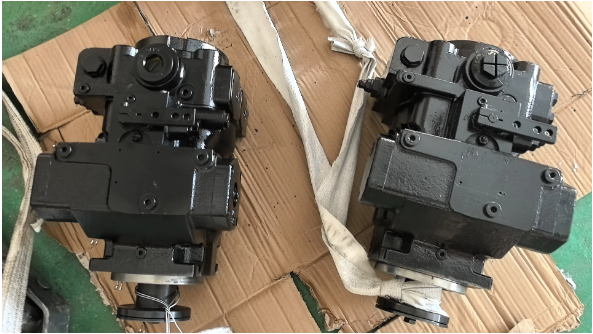
A piston pump helps move fluids with strong force and steady flow. It works by using a piston inside a cylinder to push liquid. When the piston goes up, it pulls fluid into the cylinder. When the piston goes down, it pushes the fluid out. This movement happens in machines that need high pressure and a steady flow.
A hydraulic piston pump is used in big machines and equipment. It gives strong power and works well for tough jobs. There are two main kinds. In an axial piston pump, pistons move up and down as the shaft turns. This makes the fluid move in and out in a steady way. In a radial piston pump, pistons are in a circle and move in and out as the camshaft spins. Both types help keep fluid moving smoothly and with power.
A piston pump is part of the positive displacement pump group. You pick these pumps when you want steady flow, even if pressure changes. They work well with thick fluids and can handle hard jobs without losing power.
Here is a table that shows how positive displacement pumps and non-positive displacement pumps are different:
Feature | Positive Displacement Pumps | Non-Positive Displacement Pumps |
|---|---|---|
Pressure | Work in high pressure, up to 800 bar | Good for low pressure, up to 20 bar |
Efficiency | Get better with higher pressure | Peak at one point, drop at high/low |
Viscosity | Improve with thicker fluids | Drop with thicker fluids |
Performance | Give steady flow, even with changes | Flow changes when pressure changes |
A positive displacement pump keeps the flow steady. This is helpful when you work with thick fluids or fluids with solids. You can use these pumps for many kinds of fluids and keep your system working well.
Positive displacement pumps help keep the flow steady, which is good for thick fluids.
You can use them for fluids with different thickness and still get good results.
These pumps work well with fluids that have solids because they do not wear out fast.
Piston pumps are used in many industries because they give control, power, and steady work. When you need a pump for hard jobs, a hydraulic piston pump gives strong and steady performance.
You can learn how a hydraulic piston pump works by looking at each step. The pump has a piston inside a cylinder that moves hydraulic fluid. First, the piston pulls away from the cylinder head. This makes a vacuum and pulls fluid into the cylinder through the inlet valve. Next, the piston pushes toward the cylinder head. This action forces the fluid out through the outlet valve. The pump keeps doing this again and again to move fluid with strong pressure.
Here are the steps in a simple way:
The piston moves back and makes room in the cylinder.
Hydraulic fluid comes in through the inlet valve.
The piston moves forward and squeezes the fluid.
The outlet valve opens, and the fluid goes out.
The pump repeats these steps to keep flow and pressure steady.
Tip: The pump gives you steady pressure because it repeats these steps. This is great for machines that need strong and steady force.
The piston and cylinder work together to make hydraulic pressure. You see the piston move inside the cylinder and push the fluid. The fluid cannot be squeezed, so it carries pressure very well. The pressure is different on each side of the piston. This difference pushes the piston and makes force for your equipment.
The pump makes pressure by pushing fluid into the cylinder.
Hydraulic fluid carries pressure because it cannot be squeezed.
The pressure difference moves the piston and makes force for your system.
You use a piston pump when you need to control fluid power exactly. The design helps you do hard jobs and keeps your machines working well. If you want to know how a hydraulic piston pump works, watch how the piston and cylinder work together to make strong and steady pressure for your hydraulic systems.
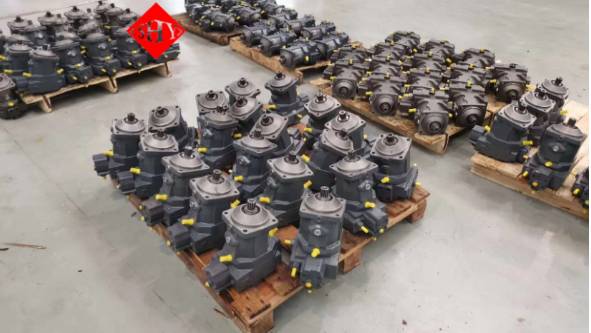
The piston and cylinder are the main parts of a hydraulic piston pump. The piston moves inside the cylinder. This movement pushes and pulls fluid. These parts are made from strong materials. Strong materials help them last longer and work well under pressure. Here is a table that shows what materials are used and why they are good:
Material | Durability (Years) | Key Properties |
|---|---|---|
Chrome-plated steel | 15+ | Great at resisting wear, protects against rust, hard surface, less friction |
Hardened Stainless Steel | 10-15 | Resists rust, strong but not heavy, handles heat well, needs little care |
Aluminum Alloys | 5-10 | Strong but light, handles heat well, costs less, easy to shape |
Pick the material that fits your job. Chrome-plated steel is best for tough work. Aluminum alloys are good if you want a lighter pump.
Valves and seals help control fluid and keep the pump tight. Valves let fluid in and out at the right time. Seals stop leaks and keep air and water out. Check these parts often to keep your pump working well. Most problems happen when air or water gets in, fluid levels are wrong, or mistakes are made during care. Here are some common problems and ways to stop them:
Air and water getting in: Use good seals and check fluid often.
Temperature issues: Keep the pump at the right temperature.
Fluid problems: Check and fill fluids when needed.
Mistakes by people: Train workers and follow care steps.
Tip: Checking your pump and using good seals helps it last longer and work better.
The housing holds all the pump parts together and keeps them safe. Inside the housing are bearings, shafts, and ports. New technology makes these parts stronger and better. Some pumps use new materials like polymers and composites. These materials last longer and need less care. Smart sensors can watch your pump and tell you if something is wrong. Some companies use recycled materials and green fluids to save energy and cut down on waste.
Advancement Type | Description | Benefits |
|---|---|---|
Advancements in Materials | New materials like polymers and composites make pumps last longer and work better. | Parts last longer, weigh less, handle heat better, and cost less to care for. |
Integration of Smart Technology | Smart sensors and tools help watch the pump and give data. | Fix problems fast, work better, and have less downtime. |
Sustainability Considerations | Using recycled materials and green fluids helps the planet and saves energy. | Saves up to 20% energy, cuts waste by about 30%, and costs less to run. |
These new features help your pump work better and break down less. When you choose a piston pump, look for these new things to help your system do its best.
You can pick from different hydraulic piston pumps. Each type is made for a special job or industry. Let’s see the main types and how they work.
Single-acting piston pumps move fluid one way. The piston pushes fluid out with hydraulic pressure. It goes back by a spring or gravity. Double-acting piston pumps move fluid both ways. They use hydraulic pressure for each stroke. Double-acting models can do more jobs.
Feature | Single Acting Piston Pump | Double Acting Piston Pump |
|---|---|---|
Operation | Moves in one direction using hydraulic pressure; returns via spring or gravity | Moves in two directions using hydraulic pressure |
Efficiency | Simple and cost-effective for repetitive tasks | More versatile, suitable for complex tasks |
Applications | Ideal for fabrication and low-cost systems | Used in industrial applications and robotics |
Single-acting pumps are good for easy, repeating jobs.
Double-acting pumps do harder jobs and work better.
Double-acting piston pumps are used in excavators and big machines. These pumps help you lift, dig, and move things with strong force both ways. You also find them in robots and factories where control is important.
Axial piston pumps have pistons lined up with the main shaft. This design gives smooth flow and less noise. Variable displacement axial piston pumps let you change flow rates. This saves energy and gives better control. These pumps are used in building machines and factory systems.
Radial piston pumps have pistons in a star shape around the shaft. These pumps give very high pressure and work well. They are used for metal shaping, deep-sea tools, and hydraulic presses.
Feature | Radial Piston Pump | Axial Piston Pump |
|---|---|---|
Piston Arrangement | Radially distributed (star shape) | Parallel to the main shaft |
Pressure Capacity | Ultra-high pressure (600-1000 bar) | Mainstream 200-450 bar, up to 600 bar |
Flow Stability | Larger flow pulsation, higher noise | Smoother flow output, lower noise |
Efficiency | High mechanical efficiency (92%+) | High volumetric efficiency (95%+) |
Typical Applications | Metal forming, deep-sea equipment | Construction machinery, industrial automation |
Maintenance | Simple structure, strong pollution resistance | High cleanliness requirements for oil |
Micro piston pumps are used in small hydraulic systems. These pumps fit in tight spaces and give exact control. You see them in medical tools, lab machines, and tiny robots.
You can choose fixed displacement or variable displacement piston pumps. Fixed displacement pumps always give the same flow. Variable displacement pumps let you change the flow for better control and energy savings.
Feature | Fixed Displacement Pumps | Variable Displacement Pumps |
|---|---|---|
Flow Output | Constant | Adjustable |
Energy Efficiency | Low | High |
System Control | Limited | Precise |
Variable displacement pumps change flow to save energy.
Fixed displacement pumps are best when you need steady flow.
Variable displacement pumps help you use less energy. This is helpful when your system does not always run at full power. For example, in a hydraulic press, these pumps can save up to 30% energy compared to fixed pumps.
High pressure piston pumps are needed for hard jobs like metal shaping, injection molding, and building work. These pumps give strong force and work well in tough places.
Tip: Pick the right piston pump for your job. This helps you get the best results and save energy.
Hydraulic piston pumps power many machines in different industries. These pumps are used when you need strong force and steady control.
Hydraulic piston pumps are found in excavators and loaders. They help machines work with high efficiency and flexibility. You can dig, lift, and move heavy things exactly. The pumps use tough materials, so they last longer. You do not need to fix them often, so your work stays on track.
High efficiency for hard jobs
Strong design for rough places
Good control for digging and lifting
Hydraulic piston pumps shape plastic parts. They give a steady flow, so every part looks the same. The pumps work with thick fluids like latex paints and varnishes. You can also use them for sealants and adhesives. This helps your factory run without problems.
Steel mills need strong pumps. Hydraulic piston pumps give high pressure for shaping metal. They work with thick coatings, zinc powder paints, and iron mica paints. These pumps help protect buildings from rust and water.
Reliable for tough jobs
Works with thick and rough materials
Good for long work times
Hydraulic piston pumps are used in wind turbines and solar systems. They help control fluid flow in energy machines. The pumps work with flame retardants, bitumen coatings, and fabric adhesives. You get steady performance, so your systems work well.
Steady flow for energy machines
Good for renewable power systems
Less downtime, more reliability
Tip: You can use hydraulic piston pumps for spraying fillers, plasters, and other building materials. This helps you finish jobs faster and with better results.
Hydraulic piston pumps have many benefits over other pumps. They give better pressure, efficiency, and control.
Hydraulic piston pumps give higher pressure. They reach up to 800 bar, much more than gear or vane pumps. These pumps use less energy because they are efficient. You save money and waste less.
Pump Type | Efficiency (%) | Waste Reduction (%) |
|---|---|---|
High-Quality Piston Pump | 95 | 80 |
Old Gear Pump | < 95 | > 80 |
You see lower energy bills and better machine work. A steady flow keeps your machines running well.
Hydraulic piston pumps last a long time. They use strong materials that do not wear out fast. You spend less time and money fixing them. Your machines work longer, even in tough places.
Made to last with strong parts
Needs less fixing
Works well in hard conditions
You can change hydraulic piston pumps for your job. Pick the right flow and pressure for your system. Use radial piston pumps for high pressure or small pumps for tight spaces. This helps you solve special problems in your work.
Hydraulic piston pumps are better than gear and vane pumps. They give higher pressure, better efficiency, and more control. Gear pumps are good for easy jobs but cannot handle thick fluids or high pressure. Vane pumps give smooth flow but wear out faster in tough places. Radial piston pumps are best when you need extra strength and reliability.
Note: Rules for the environment make you use energy-saving pumps. Hydraulic piston pumps help you follow these rules by wasting less energy and lowering your impact.
You want a pump that works well and lasts long. Xiamen Senhengyuan Machinery Equipment Co., Ltd. gives you strong piston pumps for every job.
These pumps meet ISO9001 and CE standards. Each pump is checked and tested carefully. You can trust your pump to work in tough places.
Certified quality for peace of mind
Reliable in every job
You get help from a skilled team. They answer your questions and help with your projects. The company helps you pick the right pump and keeps your system working.
Tip: You can ask for help or advice any time.
You get pumps quickly, no matter where you work. The company ships fast and offers flexible choices.
Fast shipping everywhere
Reliable supply for all jobs
You build a long-term partnership with Xiamen Senhengyuan. The company gives custom solutions for your needs. You get pumps made for your job, like radial piston pumps for high pressure or pumps with special flow rates.
Custom designs for special problems
Help for your business growth
Choosing Xiamen Senhengyuan means you get quality, support, and reliability for every hydraulic job.
You now know how a piston pump works in hydraulic systems. It is important to pick the right hydraulic piston pump for your job. You should think about things like system pressure and flow rate. Look at displacement type and control mode too. Efficiency matters when you want your machine to work well. Make sure the pump fits with your fluid. Maintenance helps your pump last longer. If you choose a trusted brand like Xiamen Senhengyuan, you get strong support. Their products are reliable and help your machines run smoothly. Good quality and service make your machines last longer.
System pressure
Flow rate
Displacement type
Control mode
Efficiency
Fluid compatibility
Maintenance
You should check fluid levels, inspect seals, and clean filters regularly. Replace worn parts when needed. Good maintenance helps your pump last longer and work better.
You need to know your system’s pressure, flow rate, and fluid type. Match these with the pump’s specifications. Ask for expert advice if you are unsure.
Yes, piston pumps work well with thick or dirty fluids. They keep a steady flow and resist wear. You can use them in tough jobs where other pumps fail.
Look for leaks, strange noises, or drops in pressure. If your pump vibrates more than usual, it may need service. Fix problems early to avoid bigger issues.


