


Views: 0 Author: Site Editor Publish Time: 2025-10-21 Origin: Site


A hydraulic pump pushes fluid in a hydraulic system to make force and movement. These pumps are in many machines that need strong and steady power. You can see them in construction equipment and factory machines. Hydraulic power lets you lift, push, or move heavy things with less work.
When you use a hydraulic pump, you get steady performance in many different jobs.
A hydraulic pump pushes fluid to make force and movement. This helps machines do hard work more easily. - There are three main kinds of hydraulic pumps. These are gear pumps, vane pumps, and piston pumps. Each type works best for certain jobs. - Picking the right hydraulic pump is very important for good performance. You should think about the fluid type, flow rate, and pressure needed. - Taking care of hydraulic pumps often helps them last longer. It also makes them work better and stops them from breaking. - Hydraulic pumps are very important in many industries. These include construction, automotive, and agriculture. They help keep things safe and make work faster.
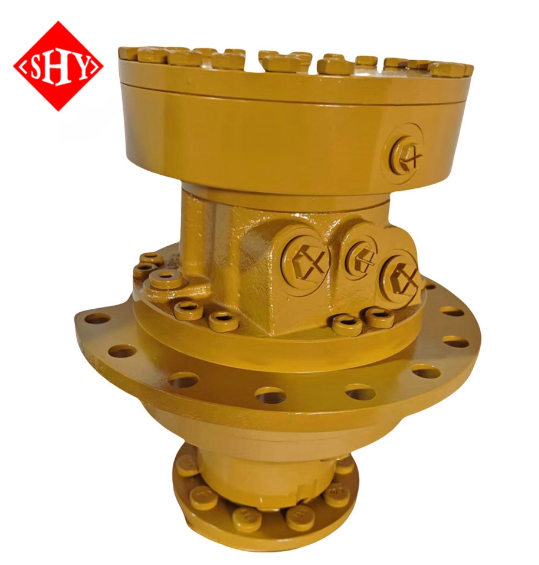
A hydraulic pump is a tool that moves hydraulic fluid. It pushes the fluid through a hydraulic system. You use a hydraulic pump to make force for machines. The pump gets energy from a motor or engine. It changes this energy into hydraulic energy. This energy helps you lift, push, or move heavy things with less effort.
The hydraulic pump does many important jobs in your system. You can see its main jobs in the table below:
Function | Description |
|---|---|
Creating a Vacuum | The pump starts working by pulling fluid from the reservoir. |
Displacement of Fluid | The pump moves fluid using gears, pistons, or vanes. |
Maintaining Continuous Flow | The pump keeps fluid moving smoothly for the machine. |
Pressure Generation | The pump makes pressure by pushing against resistance in the system. |
Minimizing Internal Leakage | The pump uses tight seals to stop fluid loss and keep things working well. |
You need the hydraulic pump to keep your machines working right. If the pump is not good, your hydraulic system will not work well.
You can learn how a hydraulic pump works by seeing how it changes energy. The pump takes mechanical energy from a motor or engine. It turns this energy into pressure energy in the hydraulic fluid. This lets you use moving fluid to do work.
Here is a simple way to show how energy changes inside a hydraulic pump:
Energy Conversion Stage | Description |
|---|---|
Mechanical Energy | The engine or motor gives the pump mechanical energy. |
Pressure Energy | The pump turns this energy into pressure in the hydraulic fluid. |
Hydraulic Flow | The pressurized fluid moves through the system to do work. |
Mechanical Energy Again | The fluid’s energy turns back into mechanical energy when it moves parts like cylinders or motors. |
The pump works by making a vacuum when its parts move. This vacuum pulls hydraulic fluid from the reservoir into the pump. As the pump keeps moving, it pushes the fluid out into the system. The pump keeps the fluid moving at a steady speed. This is important for your machines.
You also need to control the pressure and flow in your hydraulic system. Hydraulic pump regulators help you do this. They control how much fluid goes in or out of the system. This keeps the pressure steady and protects your equipment. Regulators also change the flow rate. You get the right amount of power for each job. The pressure compensator in the pump helps keep the pressure safe and efficient.
Tip: Always pick a hydraulic pump that fits your system. The right pump gives you good performance and helps your machines last longer.
A hydraulic pump is the heart of your hydraulic system. It gives you the power to move, lift, and control heavy things easily.
Hydraulic pumps come in a few main types. Each type is best for certain jobs. You should know the differences to pick the right one. At Xiamen Senhengyuan Machinery Equipment Co., Ltd., we have many hydraulic pumps. These include gear pumps, vane pumps, and piston pumps.
Gear pumps use two gears that spin to move fluid. They have a simple design with fewer parts. This makes them easy to fix and not too expensive. Gear pumps are used a lot in factories. They are good at moving fluid and can handle dirty fluid. You can find gear pumps in farm machines, building equipment, and factory tools.
Gear pumps give steady flow and work well in many jobs.
Here is a table that shows how gear pumps are different from other pumps:
Feature | Gear Pumps | Other Hydraulic Pumps |
|---|---|---|
Construction | Simple, fewer moving parts | More complex, many components |
Operation | Constant flow, gear speed dependent | Variable flow, higher precision |
Pressure Capability | Low-to-medium pressure | High pressure |
Maintenance | Easy, cost-effective | May need more maintenance |
Typical Applications | Agriculture, construction, industry | High-precision tasks |
You can use gear pumps for:
Moving fluid in machines
Lubricating engines in cars and trucks
Power steering and transmissions
Moving thick fluids in food and chemical plants
Vane pumps use vanes that slide in and out of a rotor. This moves the hydraulic fluid. They run quietly and smoothly. Vane pumps can change flow rates easily. This helps you control your system better. These pumps are used in cars, factory machines, planes, and moving materials.
Vane pumps are good when you need quiet, smooth flow and flexible use.
Here is a quick look at what is good and bad about vane pumps:
Pump Type | Advantages | Disadvantages |
|---|---|---|
Vane Pump | Smooth, quiet, self-priming | Lower pressure, wear and tear |
Gear Pump | High pressure, durable | Noisy, pulsation |
You often see vane pumps in:
Power steering and brakes
Hydraulic power units
Machine tools
Food and chemical plants
Piston pumps use pistons to move fluid. They give high pressure and good control. Piston pumps are great for hard jobs. You can change the flow rate to fit your needs. These pumps are strong and last a long time.
Piston pumps help with tough jobs that need high pressure and control.
Key features of piston pumps are:
Accurate fluid delivery
High pressure ability
Flow rate can change
Strong build for tough places
You see piston pumps in:
Hydraulic presses
Building machines
Pressure testing
Automated factories
At Xiamen Senhengyuan Machinery Equipment Co., Ltd., you can get gear pumps, vane pumps, and piston pumps. Each type has special benefits for your system. If you want to know more or need help, visit our product page or talk to our team.
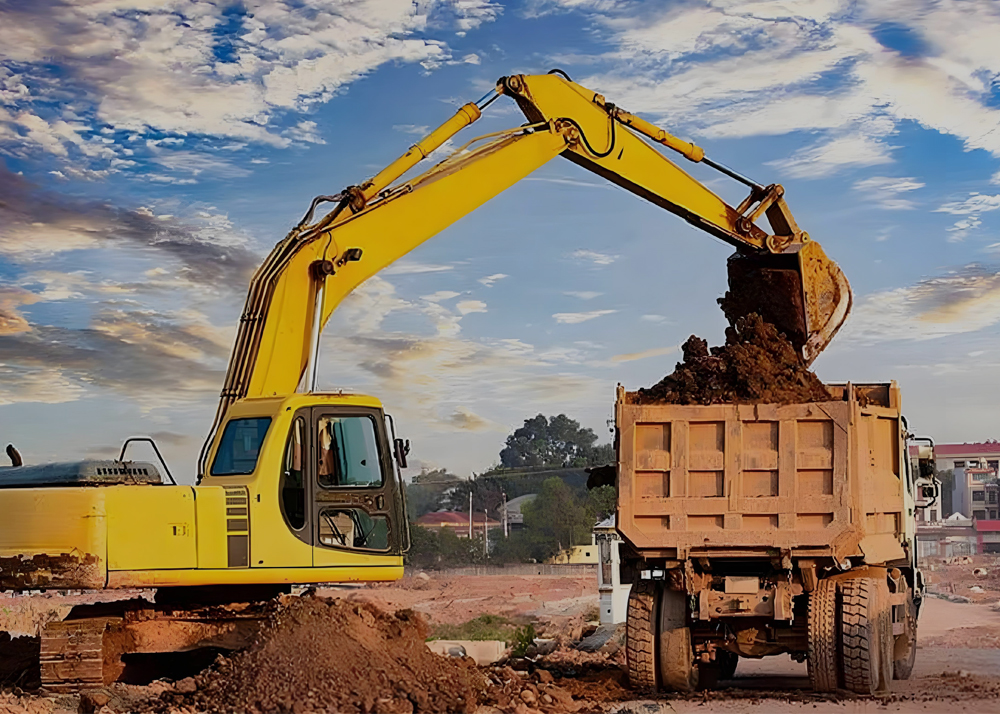
Hydraulic pumps are very important in many jobs. You can find these pumps in factories, on building sites, on farms, and in vehicles. Each area needs hydraulic power to work safely and well.
Many factories use hydraulic pumps for their machines. These pumps help machines move, press, or shape things. The table below shows where you often find hydraulic pumps in factories:
Industrial Sector | Description |
|---|---|
Automotive Industry | Pumps help press, bend, and lift parts on assembly lines. |
Heavy Machinery | Pumps move big objects and machines to keep work going. |
Material Handling | Pumps help move heavy things so work is easier. |
Plastic and Metal Forming | Pumps give the force for molding, extrusion, and stamping. |
Some machines that use hydraulic pumps are forging presses, CNC machines, die cast machines, and robotic arms. These machines need hydraulic systems for steady power and good control.
Good hydraulic pumps help keep your work safe and running well. They help stop breakdowns and make products better.
On building sites, you use hydraulic pumps in excavators, loaders, and cranes. These pumps give the power to lift, dig, and move heavy things. The hydraulic system lets you move the arm or bucket of an excavator with smooth, strong moves. The pump pushes fluid to actuators and moves the machine’s parts. The fluid goes back to the pump through filters.
A crawler excavator’s hydraulic system must move smoothly and on its own. Fast flows of hydraulic fluid help you work quickly and with care.
In cars, hydraulic pumps power brakes, steering, and suspension. These pumps help keep your car safe by making braking and steering easier. You also see hydraulic pumps in farm machines. Modern tractors, combines, and harvesters use hydraulic systems for lifting, steering, and using tools. Hydraulic power gives you the strength and control needed for today’s farming.
Hydraulic pumps make cars safer by powering brakes and steering.
On farms, pumps help you control machines with less work.
Hydraulic motors in farm machines show how important these systems are for farming today.
When you pick a good hydraulic pump, you make your work safer and better.
When you choose a hydraulic pump, you need to look at several important things. Each factor helps you match the pump to your job and keep your hydraulic systems running well. Here are the main points you should consider:
Hydraulic Fluid Viscosity: The thickness of the hydraulic fluid affects how well the pump works. Always check the pump’s maximum viscosity rating.
Fluid Type: Make sure the hydraulic fluid matches the pump’s needs. Some pumps work with special fluids like biodegradable or water glycol.
Flow Rate: You need to know how much fluid the pump can move. This depends on pump speed, efficiency, and size.
Power Curves and Torque Ratings: Check the pump’s power and speed to see if it fits your machine.
Speed: The speed of the pump’s driveshaft changes how the pump works.
Max Operating Pressure: Every pump has a top pressure it can handle. Stay within this limit for safety.
Fixed vs. Variable Displacement: Some pumps move the same amount of fluid all the time. Others can change how much they move.
Maintenance Time and Costs: Think about how often you need to service the pump and how much it will cost.
Tip: Picking the right hydraulic pump helps you avoid problems like cavitation, corrosion, vibration, and seal failure. Using the correct hydraulic fluid and installing the pump properly keeps your system safe and strong.
You want a hydraulic pump that lasts and works well. Look at these key performance indicators when you compare pumps:
Key Performance Indicator | Description |
|---|---|
Volumetric Efficiency | Shows how well the pump moves fluid. |
Mechanical Efficiency | Tells you how good the pump’s design is. |
Overall Efficiency | Combines all factors to show total performance. |
At Xiamen Senhengyuan Machinery Equipment Co., Ltd., I make sure every hydraulic pump meets high standards. My team checks each pump for quality and efficiency. You get strong technical support and help with choosing the right pump for your needs. If you need a custom solution, I offer many options to fit your job. You can mix and match components, pick the right motor, and add valves for easy integration. My pumps work in many industries, from automotive to robotics, and always aim for top performance.
You now know that hydraulic pumps change mechanical energy into hydraulic power. This helps machines work well and saves effort. Here are some important things to remember:
Main Points | Description |
|---|---|
Operation | Pumps move fluid and make pressure in your hydraulic system. |
Types | Gear, vane, and piston pumps are used for different jobs. |
Importance | Pumps help machines in many fields work faster and keep people safe. |
Maintenance | Checking your pump often helps it last longer and work better. |
If you pick a good pump, you get quiet, strong, and efficient work. You can get the best help by talking to the experts at Xiamen Senhengyuan Machinery Equipment Co., Ltd. They will help you choose the right pump and support your business for a long time.
A hydraulic pump moves fluid through your hydraulic system. You use it to create pressure and flow. This power lets your machines lift, push, or move heavy loads with less effort.
You should check your system’s flow rate, pressure needs, and fluid type. Match the pump to your machine’s size and job. Ask experts at Xiamen Senhengyuan Machinery Equipment Co., Ltd. for help.
You should inspect your hydraulic pump every few months. Look for leaks, noise, or slow performance. Regular checks help your pump last longer and work better.
You can use some pumps for many machines if they match the system’s pressure and flow needs. Always check the pump’s specifications before you switch.
You can find reliable hydraulic pumps at Xiamen Senhengyuan Machinery Equipment Co., Ltd. Their team offers strong support and custom solutions for your needs.


