


Views: 0 Author: Site Editor Publish Time: 2025-11-14 Origin: Site


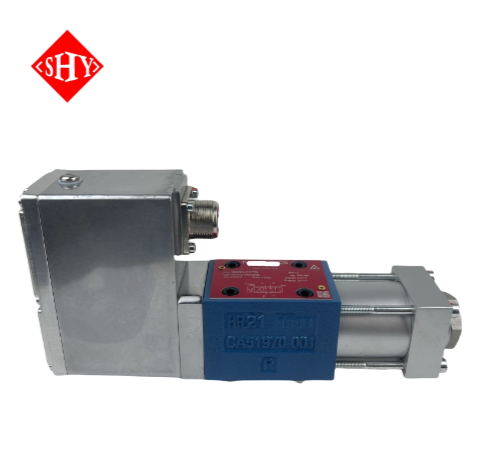
A pressure relief valve helps control too much pressure in hydraulic systems. You use it to protect machines and keep people safe at work. Safety groups, like the U.S. Chemical Safety and Hazard Investigation Board, say it has many good points:
Stop dangerous leaks that might hurt people.
Give safe emergency pressure relief for workers and neighbors.
Keep work safe and follow workplace rules.
You need strong, good valves so your system works well and stays safe. What is a pressure relief valve, how does it work, what types are there, and why does it matter for safety?
A pressure relief valve keeps hydraulic systems safe. It lets out extra pressure by itself. This stops damage to equipment. It also helps keep people safe.
You should check your pressure relief valve often. Take care of it to find problems early. This helps your system work well.
Pick the right pressure relief valve for your system. This helps you avoid expensive fixes. It also makes your system work better.
Learn how your pressure relief valve works. This helps you keep your workplace safe. It also helps you follow the rules for your job.
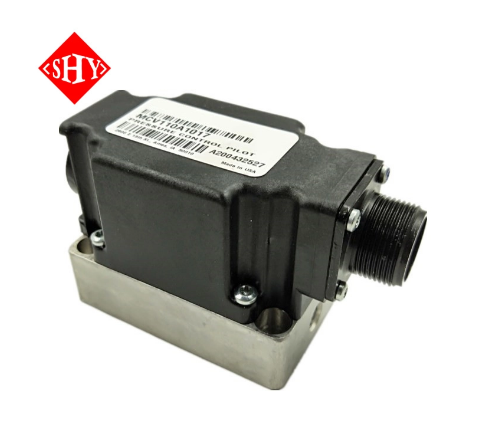
A pressure relief valve keeps your hydraulic system safe. When pressure gets too high, the valve opens by itself. This lets extra fluid move to a safe place. You do not have to watch the system all the time. The valve works on its own. Its main job is to stop dangerous pressure jumps. If pressure is not controlled, equipment can break or even explode. The valve keeps hoses, seals, and other parts from bursting. This helps stop big failures and keeps everyone safe at work.
Tip: Always make sure your pressure relief valve fits your system’s top pressure. This helps stop sudden problems.
Here is a simple look at how the valve works in your system:
Function | Description |
|---|---|
Pressure Regulation | Sets the highest pressure your hydraulic system can have. |
Safety Protection | Keeps equipment and workers safe from too much pressure. |
Automatic Pressure Relief | Opens and closes by itself to keep pressure safe. |
The pressure relief valve acts like a guard for your system. It keeps pressure safe and stops expensive repairs.
A pressure relief valve does more than stop overpressure. It also helps your system work better. The valve keeps pressure steady, so your equipment works well. When pressure stays right, you do not waste energy. Parts last longer because the valve stops too much stress. The valve also stops quick pressure changes that can cause problems.
You save money because you have less downtime and fewer repairs.
Your hydraulic system lasts longer since the valve protects the parts.
You get steady performance, which is important for tough jobs.
Pressure relief valves help you control costs and get the best use from your equipment. Your system stays strong and works well if you pick good valves from a trusted company. Checking and caring for your valve often keeps it safe and working right.
There are different types of pressure relief valve for your hydraulic system. Each type controls pressure in its own way and keeps equipment safe. Picking the right one helps you avoid big repair bills and keeps things working well.
A spring-loaded pressure relief valve has a spring that keeps it closed. When pressure gets too high, it pushes on the spring. The valve opens and lets fluid out, so pressure goes down. These valves are in many machines because they are simple and work well. Piston style designs are good for high pressure and tough jobs. Diaphragm style designs are best for low pressure and when you need accuracy. Spring-loaded valves cost less and work with many chemicals and temperatures.
Common Applications:
Boilers and pressure vessels
Hydraulic pumps and motors
Industrial machinery
Note: Always make sure the set pressure is not higher than your system’s safe limit.
A pilot-operated pressure relief valve uses a small pilot valve to control a bigger main valve. The pilot checks the pressure and tells the main valve when to open or close. This design gives better control and a faster response. You see these valves where safety and quick action are very important.
Industries Using Pilot-Operated Valves:
Oil and gas pipelines
Chemical plants
Power generation
Water treatment
Marine and aerospace engineering
Pilot-operated valves protect big systems from dangerous pressure spikes. They are strong and reliable for hard jobs.
Adjustable pressure relief valves let you change the pressure setting easily. You can adjust them in the field to fit your system’s needs. These valves are great for places where pressure changes a lot.
Feature | Description |
|---|---|
Easy Adjustment | Change the pressure setting fast and easily. |
Versatility | Use in many jobs, especially where things change often. |
Application Range | Good for vented and non-vented systems, even high-purity gas jobs. |
Adjustable valves give you more choices and help keep your system safe, even when things change.
We are a top hydraulic valve maker, factory, and supplier in China. At Xiamen Senhengyuan Machinery Equipment Co., Ltd., we have many high-quality valves. You can find a hydraulic pressure relief valve for any job. We make custom solutions to fit your needs. Our team helps design and test valves that meet strict safety rules.
Tip: Picking the right pressure relief valve makes your system safer and helps it work better.
It is important to know how a pressure relief valve keeps your hydraulic system safe. The main job of this valve is to keep pressure from getting too high. When the system is working, the valve stays shut. It only opens if the pressure goes past a set level. This helps stop damage and keeps your equipment safe.
Here is a simple table that shows how the inside parts react when pressure changes:
Step | Description |
|---|---|
1 | The valve stays shut until pressure goes over a set level. |
2 | If pressure gets too high, the spring lets the valve open. |
3 | Fluid moves through another path to lower the pressure. |
4 | Pressure drops as the fluid leaves the system. |
5 | When pressure is low enough, the valve shuts again. |
The valve works by itself. It opens and shuts when needed to keep pressure safe. This helps stop sudden problems and keeps your system working well.
Most hydraulic systems use two main types of pressure relief valves. These are direct-acting and pilot-operated valves. Each type uses a different way to control pressure and give relief.
Direct Acting: The system’s pressure pushes right on the valve’s disc or piston. If pressure gets too high, the valve opens and lets fluid out.
Pilot Operated: This type uses a small pilot valve to control the main valve. The pilot checks the pressure and tells the main valve to open.
Both types stay shut when things are normal. They only open if pressure goes above the safe level. These valves help turn extra pressure into heat, which keeps your equipment safe.
Pressure regulating relief valves are very important for safety and good system work. You can count on these valves to act fast and work well when pressure changes. Picking the right type helps your system get the best protection.
Hydraulic systems must work safely every day. A pressure relief valve keeps equipment from getting damaged. When pressure gets too high, the valve opens and lets out extra fluid. This keeps pumps, hoses, seals, and actuators safe. You do not have to watch the system all the time. The valve is the last thing that protects against too much pressure.
Pressure relief valves protect equipment and people by working automatically.
They are the last defense against too much pressure in hydraulic systems. This stops damage to pumps, hoses, seals, and actuators.
These valves let out extra pressure when it gets too high. This keeps equipment safe without you having to do anything.
Pressure regulating relief valves also stop vacuum problems. If pressure gets too low, the valve lets air in to keep things balanced. This helps keep pressure safe and stops expensive equipment failures.
Checking your valves often helps you find problems early. Inspections make sure pressure relief valves work right and stay safe. You should look for damage or worn parts.
At Xiamen Senhengyuan Machinery Equipment Co., Ltd., we check our valves very carefully. Our team tests each valve to meet tough standards. We help keep your system safe and running well. Many people trust our factory for good valves and expert help.
You want everyone at work to be safe. Pressure relief valves help stop accidents from happening. When pressure rises too fast, safety relief valves act quickly. They open and let out fluid to stop dangerous pressure spikes. This fast action stops explosions, leaks, and injuries.
Pressure relief valves open when pressure gets too high. This stops overpressure problems.
They let air in if pressure drops too low. This stops vacuum problems.
This keeps pressure safe and protects equipment from big failures.
Industry rules like EN ISO 4126 1 and EN 14596 set strict rules for how valves must work. Valves must react fast to changes in pressure and temperature. Tests include long use and computer checks. These rules make sure safety relief valves work well even in tough situations.
"API Recommended Practice 576 gives clear steps for checking and testing pressure relief valves. This is important for keeping them safe and working well."
You can trust our team for expert help with hydraulic valves. We follow the rules and use advanced tests. We care about quality and safety to help you stop accidents and keep your workplace safe.
Many customers say good things about our products and service. They like our quick help, smart advice, and reliable solutions. If you need help picking a pressure relief valve, contact us. We are ready to help you stay safe and find the best solution for your business.
You need a pressure relief valve to keep your hydraulic system safe. These valves are important for many reasons. First, they stop your system and its parts from getting damaged. Second, they keep workers and machines safe by stopping too much pressure. Third, they help control how things work and keep everything steady. Fourth, they make sure each part works the way it should.
If you take care of your relief valve, it works better and is safer. You can find problems early and stop your system from breaking down. Picking the right valve means you must check what fluid you use, how much pressure you need, and what the valve is made of. For the best results, ask hydraulic experts to help you choose the right relief valve.
Technology | Benefit |
|---|---|
Smart relief valves | Make things safer and work better with smart controls. |
You can find more help and training to learn how to pick and care for relief valves.
A hydraulic pressure relief valve keeps your system safe. It stops dangerous pressure spikes from hurting equipment. The valve opens by itself when pressure gets too high. This helps you avoid expensive repairs and keeps things working.
You need to check your system’s pressure range and fluid type. Think about how your system works every day. Pick a strong valve from a trusted supplier. Xiamen Senhengyuan Machinery Equipment Co., Ltd. can make custom valves for you.
You get good products at fair prices. Experts help you pick the best valve for your needs. A China hydraulic valve factory like Xiamen Senhengyuan Machinery Equipment Co., Ltd. checks every valve carefully. They ship fast and make sure your valve works well.
You should look at your valve often. Check for leaks or worn parts. Watch for changes in how it works. Regular checks help keep your system safe. This also helps your valve last longer.
Many hydraulic pressure relief valves let you change the pressure setting. You use a screw or knob to set the right level. Always read the instructions before you adjust anything. This keeps your system safe.


