


Views: 0 Author: Site Editor Publish Time: 2025-10-28 Origin: Site


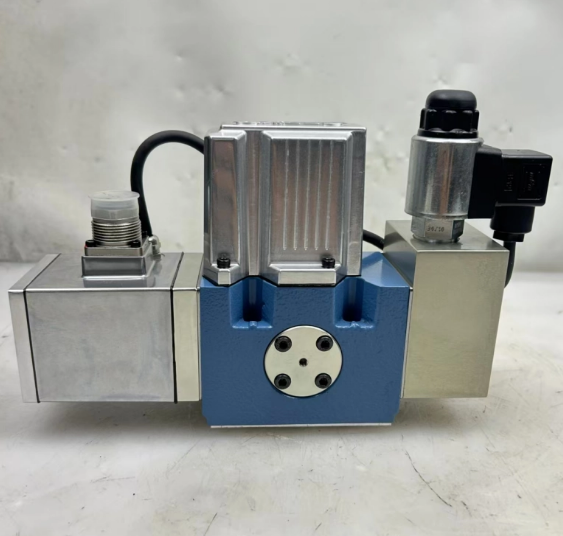
You can find four main types of hydraulic valve in these systems. Each type does something special. The table below shows how each type works and where you use it:
Type of Valve | Primary Function | Applications |
|---|---|---|
Directional Control Valves | Control which way the fluid goes | Move cylinders, control motors |
Pressure Control Valves | Keep hydraulic pressure at the right level | Control loads, stop too much pressure |
Flow Control Valves | Change how fast things move by controlling flow | Move materials, help with automation |
Check Valves | Let fluid go one way, stop it from going back | Hold loads, keep pressure in circuits |
Picking the right hydraulic valve makes your system safer and better. Good suppliers like Xiamen Senhengyuan Machinery Equipment Co., Ltd. help you get strong and useful solutions for what you need.
Learn about the four main hydraulic valves. These are directional control, pressure control, flow control, and check valves. Each valve has its own job in a hydraulic system.
Pick the right hydraulic valve for your job. Think about flow rate, pressure rating, and if the fluid works with the valve. This helps your system work its best.
It is important to take care of hydraulic valves often. Look for leaks and make sure they work right. This helps your hydraulic system last longer.
Use check valves to stop fluid from going backward. They keep pumps safe and help keep pressure steady. They also make sure fluid moves the right way.
Ask experts for help when picking hydraulic valves. Their advice can help you not make mistakes. They can help you find the best valve for your needs.
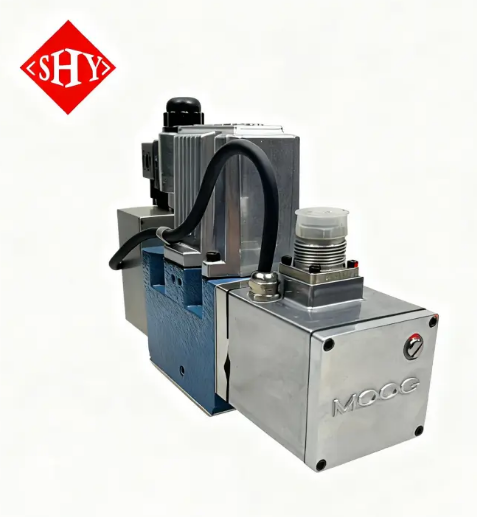
Hydraulic systems use different control valves to move fluid and help things work. There are four main groups: directional control valves, pressure control valves, flow control valves, and check valves. Each kind does something special in the system and is used for different jobs.
When you pick hydraulic valves, you want ones that are safe and work well. Our team at Xiamen Senhengyuan Machinery Equipment Co., Ltd. checks every valve to make sure it is safe and works right. We help you choose the best control valves for your needs.
Here is a table that shows the main types of hydraulic valves and what they do:
Category | Description |
|---|---|
Directional Control Valves | These valves change the way fluid moves by blocking, turning, or dumping fluid. |
Pressure Control Valves | These valves keep the system pressure safe, often using springs to control pressure. |
Flow Control Valves | These valves change how fast fluid moves, which affects how fast parts work and how well the system runs. |
Check Valves | These valves let fluid go one way and stop it from going back, which keeps parts safe. |
Each control valve helps your hydraulic system work better. Now, let’s learn more about each group.
Directional control valves choose which way the fluid goes. You use these valves to start, stop, or change the flow. They are important for moving cylinders or controlling motors. Our Directional Control Valves work well and give you good control. We test our valves to make sure they do not leak and last a long time.
Pressure control valves keep the pressure in your system safe. You use these valves to stop too much pressure and protect your equipment. Some pressure control valves are called relief valves and reducing valves. Our Pressure Control Valves meet world standards like ISO 9001 and ASME B16.34. We test every valve for pressure so you get safe and strong products.
Flow control valves let you change how fast fluid moves. You use these valves to control how fast parts move and make the system work better. Our Flow Control Valves help you pick the right flow for your job. We have fixed and adjustable types, so you can choose what you need.
Check valves let fluid go in one direction only. You use these valves to stop fluid from going backward and to keep your parts safe. This type helps hold loads and keep pressure in the system. Our check valves are tested so they do not leak and meet industry rules.
We check every control valve carefully to make sure it is good. You get valves that last longer and work better, so you fix things less and save money.
If you need help picking the right hydraulic valves, our support team can help you. We want to give you solutions that fit your needs and keep your hydraulic systems working well.
Directional control valves help you choose where fluid goes. You use these valves to start, stop, or change how things move. These valves let you control oil paths. You can move cylinders or motors forward or backward. You can also make things speed up or slow down. In big systems, these valves act like gates. They block or let fluid go to different places.
Directional control valves are used in many fields. You see them in construction, factories, farms, and robots. These valves help steer tractors and lift things with cranes. They also control robot arms. You find them in medical machines and cars too.
When you pick control valves, you want safe products. Many valves have certifications like API, CE, and ISO 4401. These show the valves work safely with high pressure. They also meet world rules for being reliable.
Spool valves are the most common control valves. You use spool valves to guide fluid by sliding a spool inside. The spool’s spot decides where fluid goes. You can move the spool for different jobs, like moving a cylinder up or down. Spool valves are good for automation and factories. They switch fast and can work many times.
Spool valves make actuators move both ways.
You use spool valves to start, stop, or change flow direction.
Spool valves help control how fast machines move.
Rotary valves use turning to control fluid flow. You turn the valve to open or close paths. Rotary valves let you pick the fluid’s path exactly. You use rotary valves in systems that need smooth changes. These are used in robots and medical machines.
Valve Type | Description |
|---|---|
Rotary Spool | Turns to control fluid flow. It has many spots for letting or blocking fluid. |
Spool Valve | Slides a spool to pick fluid paths. Often used in 4-way setups. |
Poppet Valve | Seals with a poppet and seat. A spring holds it tight. |
Poppet valves use a poppet that seals against a seat. A spring keeps the poppet in place until pressure moves it. You use poppet valves when you need a tight seal and quick action. These valves are good for cars and oil and gas jobs. They block or let fluid go right away.
When you choose control valves, pick ones that pass tough tests. Good suppliers like Xiamen Senhengyuan Machinery Equipment Co., Ltd. give you certified valves. These help your system work safely and well.
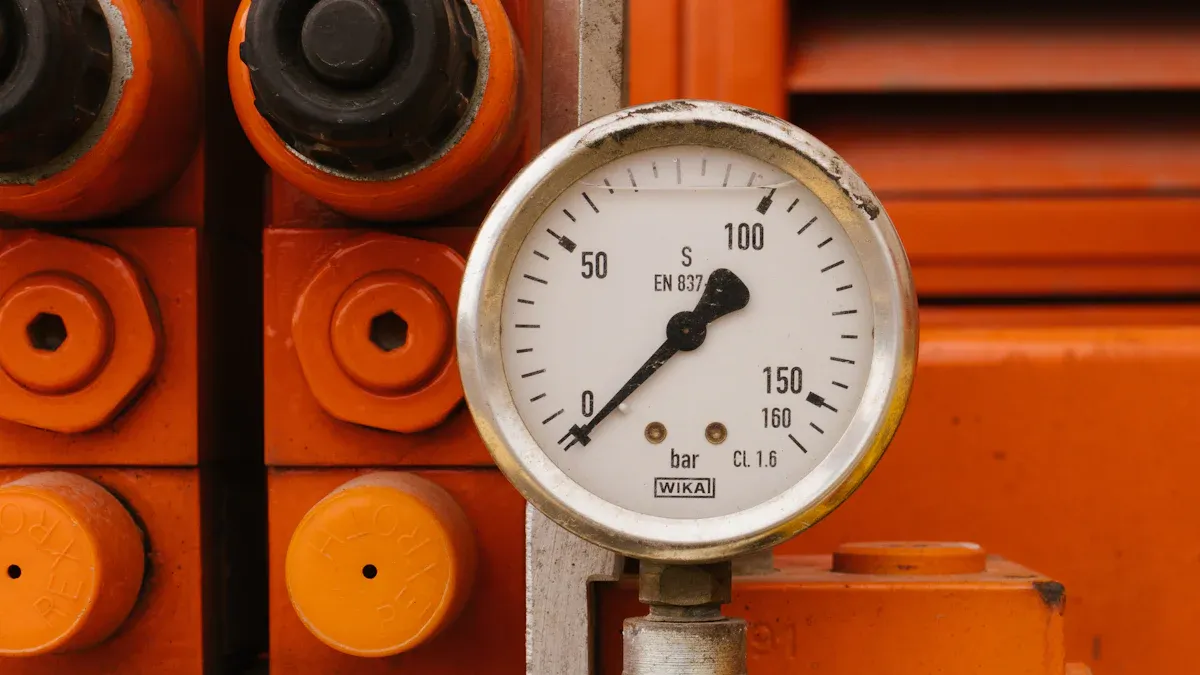
Pressure control valves keep your hydraulic system safe. You use these valves to stop pressure from getting too high or too low. These valves act like guards in the system. They protect your machines and help things run well. Each type of pressure control valve does a special job.
You need strong and good pressure control valves. This helps you avoid problems and save money. Strong valves make your system last longer and work better.
Here is a table that shows what each pressure control valve does:
Valve Type | Function | Mechanism Description |
|---|---|---|
Relief Valve | Stops too much pressure in the system | Has a spring that opens at a set pressure, letting extra fluid out. |
Reducing Valve | Lowers high pressure to a steady lower pressure | Changes how open it is based on pressure, can be direct or pilot-operated. |
Sequence Valve | Controls which job happens first in circuits | Opens when pressure is right, lets fluid go to other circuits after the first job is done. |
Unloading Valve | Keeps pump working with less load | Sends extra fluid back to the tank when not needed, turns on when pressure is high. |
Relief valves stop your system from having too much pressure. You set the valve to open when pressure gets too high. The valve lets extra fluid out to keep things safe. You find relief valves in hydraulic systems, steam boilers, and pipes. These valves help stop damage and keep people safe.
Reducing valves lower the pressure from high to steady and low. You use these valves in water systems, HVAC, and gas lines. The valve changes itself to keep the pressure steady. This helps your system work well and saves energy.
Sequence valves help you control which job happens first. You set the pressure so the valve opens after the first job is done. These valves are used in factories and automatic systems. Sequence valves help things work better and in the right order.
Unloading valves keep your pump working with less load when you do not need full pressure. The valve sends extra fluid back to the tank. You use unloading valves to stop overload and save energy. These valves turn on when the pressure gets high.
If you want your valves to last, pick ones that are tested to be strong and work well. Studies show strong valves wear out less and help your system last longer. Xiamen Senhengyuan Machinery Equipment Co., Ltd. gives you valves that meet high standards and help you get good results.
Flow control valves help you control how fast fluid moves. You use these valves to set how fast cylinders or motors go. Changing the flow changes how quickly parts move. This also affects how well your system works. If you do not set the flow right, machines may not work well. They might move oddly, slow down, or even break.
Flow control valves keep fluid moving at the right speed. These valves help your system run safely and smoothly.
Fixed flow valves give you the same flow every time. You use these when you want things to move at one speed. These valves are good for simple machines that do not need speed changes. You find them in conveyor belts and lifting tools. They help keep things steady and easy to control.
Fixed flow valves always send the same amount of fluid.
You use them when you do not want speed to change.
These valves stop sudden moves from happening.
Adjustable flow valves let you change the flow when you want. You use these to make parts move faster or slower. If you want to change a cylinder’s speed, you turn a knob or lever. These valves are good for machines that do many jobs. You see them in presses, robot arms, and packing lines.
Adjustable flow valves help you pick the right speed.
You can set the flow for heavy or light work.
These valves make your system work better and do more.
Industry | Special Needs | Benefits of Custom Solutions |
|---|---|---|
Oil and Gas | Must handle high pressure, heat, and harsh chemicals | Made with strong materials and coatings for long life |
Pharmaceutical | Must be very clean and handle gentle materials | Uses special steel and is easy to clean |
Power Generation | Needs exact flow for turbines | Custom valves help make more power and work better |
Aerospace | Needs to be light but strong | Custom valves are strong but do not weigh much |
Nuclear Power Plants | Must be very safe and handle radiation | Uses special shields and materials that resist radiation |
Xiamen Senhengyuan Machinery Equipment Co., Ltd. gives you flow control valves made for your needs. You get valves that fit your work and help your machines do better.
Pressure compensated valves keep flow steady, even if pressure changes. You use these valves in systems where loads change a lot. These valves have sensors and smart parts that watch pressure and change the flow. You get smooth moves and steady speed, no matter the load.
Pressure compensated valves keep parts moving at the same speed.
You use them in cranes and robots that lift different things.
These valves help stop wear and make machines last longer.
Pick hydraulic valves that fit your system’s needs. Good flow control keeps your machines safe and working well. Our team can help you choose the best valves for your job.
Check valves are very important in hydraulic systems. These control valves let fluid move in just one direction. This helps protect your machines and keeps things working well. When you use check valves, you stop fluid from going backward. Backflow can hurt pumps and other parts. Check valves also keep pumps full of fluid. This means pumps are always ready to work.
Tip: Check valves save money by stopping pressure jumps and blocking fluid from moving the wrong way.
Here are some ways check valves keep your hydraulic system safe:
They stop fluid from going the wrong way.
They block sudden pressure that can break pumps or seals.
They keep pumps full so they do not run dry.
They protect pumps that are not being used by stopping fluid from getting in.
They make sure only the pump that is working moves fluid, which keeps things safe.
If you do not use check valves, you can have big problems. Valves can get stuck. Seals can break. Tubes in coolers can burst. These problems show why check valves are needed for safety.
Ball valves are a type of check valve used a lot. You see them in many hydraulic valves because they are simple and work well. Inside the valve, a ball moves to open or close the path. When fluid goes the right way, the ball moves and lets it pass. If fluid tries to go back, the ball closes the opening and stops it.
You use ball valves when you need a quick seal. They are good for stopping leaks and protecting important parts. Ball valves also help keep pumps ready to work.
Pilot operated check valves give you more control than ball valves. These control valves use a pilot signal to open or close the path. You can use them to lock a cylinder or hold a load still. When you send a pilot signal, the valve opens and lets fluid move. If there is no signal, the valve stays closed and blocks fluid.
You use pilot operated check valves in lifting machines or equipment that must hold a spot. These control valves make your system safer and more exact.
Inline check valves go right into the fluid path. You use these control valves when you want an easy way to stop backflow. Inline check valves are simple to put in and take care of. They work in many hydraulic valves, even when there is not much space.
You can trust inline check valves to protect pumps, cylinders, and other parts. They help keep your system safe and working well, even when things are tough.
Note: Xiamen Senhengyuan Machinery Equipment Co., Ltd. has many control valves, like ball valves, pilot operated check valves, and inline check valves. You can count on their products to work well and protect your hydraulic systems for a long time.
You need hydraulic valves that fit your job. First, ask yourself what your hydraulic system must do. Every control valve has its own job. Directional Control Valves change where fluid goes. Pressure Control Valves keep pressure safe. Flow Control Valves set how fast things move. Pick the valve that matches your job.
Here are steps to help you pick the right valve:
Check the flow rate. Make sure the valve can handle your system’s flow.
Look at the pressure rating. Pick a valve that works with your system’s pressure.
Think about the fluid. Make sure the valve materials match your hydraulic fluid.
Decide how fast you need the valve to respond. Fast systems need quick control valves.
Choose the right size and mounting for your setup.
Industry rules help you pick valves that are safe and work well. These rules make it easier to put in and take care of valves.
When you pick control valves, you need to look at many things. The table below shows what to check:
Criteria | Description |
|---|---|
Flow Rate | Must handle the system’s maximum flow rate without excessive pressure drops. |
Operating Pressure | Should align with the system’s pressure levels to prevent valve failure. |
Temperature Range | Needs to resist wear or performance changes due to temperature variations. |
Fluid Compatibility | Internal materials must be compatible with the hydraulic fluid to avoid wear or failure. |
Response Time | Quick response is essential for applications requiring rapid flow or pressure changes. |
Mounting and Size | Physical dimensions and mounting options must fit the hydraulic setup. |
Operational Modes | Valve type should match the required mode of operation (manual, electric, pneumatic). |
Material Compatibility | Should resist the hydraulic fluid and contaminants. |
Corrosion Resistance | Vital in corrosive environments to choose resistant materials or coatings. |
Structural Integrity | Design must withstand mechanical stresses during operation. |
Sealing Elements | Should ensure minimal leakage and durability under fluctuating pressures. |
Temperature Tolerance | Materials must maintain properties over the expected temperature range. |
Initial Purchase Price | Cost should not be the sole consideration; performance and lifespan are crucial. |
Operational Lifespan | Higher-quality valves may be more cost-effective over time despite higher upfront costs. |
Maintenance Needs | Consider maintenance intervals and costs for long-term value. |
Replacement and Repair | Design should allow for easy repair and availability of spare parts. |
Operational Costs | Energy-efficient designs can lead to savings in operational costs. |
Think about where you use the valve. Hot places or strong chemicals need special valve materials. Strong valves and ones that do not rust last longer.
Our team at Xiamen Senhengyuan Machinery Equipment Co., Ltd. can help you pick the right control valves. We give you technical help and many products to choose from.
People sometimes make mistakes when picking hydraulic valves. You can avoid these problems by following good tips:
Not checking flow direction can make the valve work wrong.
Forgetting about maintenance means more breakdowns.
Not asking experts means missing better choices.
Picking only by price can mean bad results.
Wrong valve size makes things work poorly.
Using the wrong valve type causes trouble.
Not thinking about fluid can hurt the valve.
Forgetting pressure and temperature ratings can break the valve.
Not checking end connections makes putting in hard.
Not thinking about easy maintenance makes repairs slow.
Not planning for automation makes your system less flexible.
Tip: Always talk to experts for help. We at Xiamen Senhengyuan Machinery Equipment Co., Ltd. use our knowledge to help you find the best control valves for your hydraulic systems. We give you custom solutions and help when you need it.
You should know the main types and jobs of hydraulic valves. This helps keep hydraulic systems safe and working well. The table below shows what each valve does and where you use it:
Valve Type | Function | Applications |
|---|---|---|
Relief Valves | Stop the system from getting too much pressure | Machines that need pressure control |
Sequence Valves | Send fluid to different places when pressure changes | Hydraulic systems with more than one circuit |
Flow Control Valves | Control how fast fluid moves | Conveyors, lifts, and pressing machines |
Check Valves | Stop fluid from going backward | Hydraulic pumps and actuator circuits |
Proportional Valves | Change flow and pressure as needed | CNC machines and robots |
Picking good hydraulic valves helps you stop breakdowns. This makes your system last longer. You can ask Xiamen Senhengyuan Machinery Equipment Co., Ltd. for help and special solutions. For best results, do regular maintenance, look for leaks, and use the right valve for your job.
A hydraulic valve controls the movement of fluid. You use it to start, stop, or change the direction and speed of flow. This helps machines work safely and efficiently.
You look at your system’s needs. Check the flow rate, pressure, and how you want to control movement. Ask experts at Xiamen Senhengyuan Machinery Equipment Co., Ltd. for advice.
A Pressure Control Valve keeps your system safe. It stops pressure from getting too high. This protects pumps, cylinders, and other parts from damage.
You use a Flow Control Valve when you want to set how fast parts move. It helps you control speed for lifting, pressing, or moving materials.
Yes! You can contact Xiamen Senhengyuan Machinery Equipment Co., Ltd. Their team gives you technical support and helps you pick the best valve for your job.


