


Views: 0 Author: Site Editor Publish Time: 2025-12-23 Origin: Site


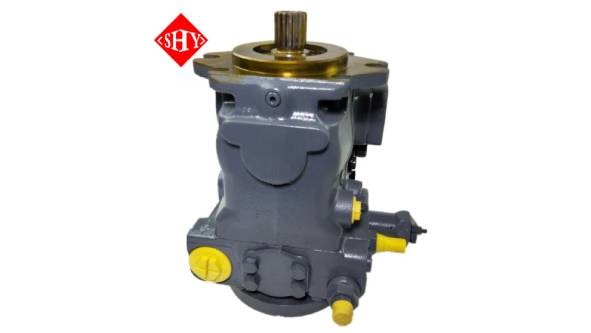
The difference between a profitable hydraulic system and a money pit often comes down to the rigor of your maintenance schedule. For equipment owners, the Total Cost of Ownership (TCO) of a hydraulic unit is not defined by its sticker price, but by how long it operates before requiring a major overhaul. Neglecting a high-performance Piston Pump inevitably leads to catastrophic downtime, where the cost of lost production far exceeds the price of a replacement unit. While generic cleaning is helpful, it is not enough to secure the longevity of precision-engineered components found in modern excavators and industrial machinery.
You are likely reading this because you are evaluating whether to handle maintenance internally or rely on outsourced repair contracts. This guide is designed for decision-makers and technicians who require an evidence-based approach to asset management. We move beyond basic fluid checks to focus on extending asset life through specific break-in protocols, sensory diagnostics, and precise component calibration.
Lifecycle Milestones: Why the 50-hour break-in and 1,500-hour valve checks are non-negotiable for longevity.
Sensory Diagnostics: How to use oil color (e.g., grey foam) and sound (cavitation knocking) as early warning systems.
The "Invisible" Killers: Understanding why misalignment and contamination cause 80% of piston pump failures.
Repair vs. Replace: Criteria for deciding when a pump is beyond economic repair.
Maintenance is often viewed as a sunk cost, but in hydraulic systems, it is a profit protector. Industry data suggests that a proactive maintenance strategy costs 30% to 40% less than a reactive "run-to-failure" approach. The savings come not just from parts, but from preventing collateral damage. When a piston pump fails catastrophically, it often sends metal shards downstream, destroying valves, cylinders, and motors throughout the system.
To maximize Return on Investment (ROI), you need a schedule based on operating hours rather than calendar dates. The following framework prioritizes critical intervention points in the pump’s lifecycle.
The first 50 hours of operation are critical for the mating surfaces within the pump. During this period, microscopic asperities on the bronze valve plates and steel pistons are smoothed out. This process naturally generates a small amount of metallic dust.
Action: You must perform a mandatory oil change after the first 50 hours. Leaving this initial oil in the system turns your hydraulic fluid into a lapping compound that accelerates wear.
Check: Verify the integrity of the suction and return filters. Inspect the filter element for large metal shavings, which could indicate a manufacturing defect or installation error rather than normal break-in wear.
Routine checks should be non-intrusive but thorough. Operators should be trained to look for subtle changes in the Hydraulic piston pump environment.
Fluid Levels & Temperature: Monitor reservoir levels daily. A sudden drop indicates a leak, while a spike in operating temperature often points to internal bypassing or cooler failure.
Leak Detection: Inspect shaft seals and flange connections. Be aware that high-pressure micro-leaks are often invisible to the naked eye. A practical tip is to use litmus paper or a clean piece of cardboard near suspected areas; the paper will darken with moisture before a droplet forms visually.
At the 500-hour mark, the focus shifts to fluid hygiene. Hydraulic fluid breaks down over time due to thermal cycling and shearing.
Action: Change the hydraulic fluid and replace all system filters. This resets the system’s contamination baseline.
Rule of Thumb: Adjust this interval based on the operating environment. If you are maintaining an Excavator piston pump in a dusty quarry or muddy construction site, reduce this interval to 250 hours. The cost of oil is negligible compared to the cost of a scored rotating group.
This is a deep-maintenance milestone where external checks are no longer sufficient.
Replacement: Proactively swap out valve cartridges and inspect piston seals. Even if the pump seems to be working well, these soft parts fatigue and will eventually fail, potentially causing metal-on-metal contact.
Calibration: Vibration loosens fasteners over time. Check the torque on all case bolts and mounting flanges to ensure structural rigidity is maintained.
| Interval | Primary Focus | Key Action Item |
|---|---|---|
| 0–50 Hours | Break-in Wear | Change oil to remove manufacturing debris. |
| Daily | Visual Inspection | Check for leaks and temperature spikes. |
| 250–500 Hours | Fluid Hygiene | Change fluid/filters (250h for harsh environments). |
| 1,500 Hours | Internal Hardware | Replace valve cartridges and inspect seals. |
Waiting for a pump to stop working is a failure of management. Modern maintenance relies on sensory diagnostics to predict failures weeks before they stop production. By analyzing the fluid, sound, and thermal signature of a unit, you can identify specific internal problems.
Hydraulic fluid acts as the bloodstream of the system. Its condition tells you exactly what is happening inside the case drain.
Golden/Clear: The system is healthy. Continue with the standard schedule.
Dark/Gritty: Abrasive wear is occurring. The fluid is suspending contaminants that act like sandpaper. An immediate filter change and system flush are required.
Grey/Foamy: This indicates water contamination, likely in the back-end crankcase or gearbox. Water destroys the lubricating film strength, leading to rapid bearing failure.
A healthy piston pump emits a consistent hum. Changes in this sound are immediate red flags.
Symptom: A distinct "marbles in a can" sound or a high-pitched whine that fluctuates with pressure.
Root Cause: This is typically cavitation or aeration. It means the pump is being starved of oil (clogged inlet) or air is entering the suction side. The noise is caused by vapor bubbles imploding against the metal surfaces, which pits the brass or bronze valve plates.
Immediate Action: Do not ignore this. Inspect suction strainers for blockages and check the intake hose integrity for cracks or loose clamps immediately.
Heat and vibration are energy losses that indicate inefficiency.
Misalignment: Use a thermal camera to check the coupling between the motor and the pump. Localized heat here, accompanied by excessive vibration, indicates shaft-to-bearing displacement.
Test Method: During a shutdown (with lockout/tagout applied), disconnect the coupling and rotate the pump shaft manually. It should move smoothly. Any "catch points," resistance, or delay indicates internal bearing damage or a bent shaft.
The internal components of a piston pump operate under immense pressure and tight tolerances. Handling these parts requires precision and specific knowledge of material properties.
Seals are the first line of defense against pressure loss. Installing them incorrectly is a common cause of premature failure.
The "Break-In" Trick: Never install seals dry. The friction during the first few seconds of startup can tear the sealing lip. Use Isopropyl Alcohol (IPA) or Methanol to lubricate new seals during installation. This eases the fit and evaporates without leaving a sticky residue.
Timeline: Plan for seal failure. Depending on the duty cycle and thermal environment, seals should be scheduled for replacement every 6–12 months.
Valves control the flow direction and timing. They are sensitive to both torque and contamination.
Torque Specs: More torque is not better. Over-tightening valve assemblies can crack delicate sapphire seats or ceramic plungers. Follow the "finger-tight + 1/4 turn" rule, which generally equates to approximately 4.5 ft/lb. This ensures a seal without crushing the component.
Cleanliness: When cleaning internal components during a rebuild, never use cotton waste or fibrous cloths. Even a microscopic piece of lint can clog an orifice or wedge between a piston and cylinder bore, causing a fatal seizure. Use lint-free industrial wipes only.
The swashplate angle determines the stroke length of the pistons, and therefore the flow rate.
Role: Wear on the swashplate surface reduces pressure output and efficiency. If the surface is scored, the pistons cannot glide smoothly, leading to erratic flow.
Professional Service: If the pump's output pressure fluctuates even after you have replaced seals and checked valves, the issue is likely swashplate wear or valve timing. These require professional bench calibration to restore the unit to OEM specifications.
Many pumps fail before they even process their first gallon of oil due to improper storage or installation errors. Managing these risks is just as important as operational maintenance.
If you keep a spare Hydraulic piston pump on the shelf, it must be maintained even while inactive.
Corrosion Risk: Humidity is the enemy. Stored pumps must be kept in low-humidity environments with all ports securely plugged to prevent moisture ingress.
Rotation: Gravity affects stationary machinery. Rotate the shaft periodically (e.g., every 3 months) during long storage. This prevents the seals from adhering to the shaft and stops the bearings from developing "flat spots" due to static load.
The moment of installation carries the highest risk.
Dry Starts: This is the #1 cause of immediate failure. A piston pump relies on internal leakage for lubrication. Always prime the case drain and fill the pump housing with clean hydraulic fluid before the first start. Starting a pump dry will destroy the rotating group in seconds.
Misalignment: Ensure the prime mover (electric motor or diesel engine) and the pump shaft are perfectly aligned. Even slight angular misalignment places enormous side-load on the shaft bearings, leading to rapid failure.
Seventy to eighty percent of hydraulic failures are traced back to contamination.
Filtration: Invest in high-beta ratio filters that can trap particles smaller than the clearance between the piston and the bore.
Water Removal: Water destroys the lubrication film strength of hydraulic oil. Ensure reservoir breathers contain desiccants to strip moisture from the air entering the tank as the fluid level fluctuates.
Eventually, every component reaches the end of its service life. Knowing when to stop repairing a unit is a key financial skill.
A standard guideline in industrial asset management is the 50% rule. If the estimated cost of repair—including parts, labor, and the associated downtime—exceeds 50% of the price of a brand-new unit, opt for replacement. A repaired pump often retains older, fatigued metal parts that may fail soon after the repair, whereas a new unit resets the reliability clock to zero.
For older hydraulic systems, parts availability dictates the strategy. If lead times for critical seals or valve plates exceed two weeks, the TCO increases drastically due to potential downtime. In these cases, retrofitting a modern replacement may offer better long-term value and easier sourcing of spare parts.
Evaluate the pump's role in your production. If the pump drives a primary production asset, such as a main Excavator piston pump, relying solely on repair speed is risky. In high-criticality applications, the best practice is to keep a backup unit on the shelf ready for immediate swap-out, allowing you to repair the failed unit offline without halting operations.
Long-term piston pump performance is rarely a matter of luck; it is the result of strict adherence to fluid cleanliness, torque specifications, and disciplined break-in procedures. By treating the pump as a precision instrument rather than a brute-force tool, you can significantly extend its service life.
We recommend shifting your strategy from "fixing it when it breaks" to a condition-based monitoring approach. utilizing oil analysis, vibration checks, and sensory inspections to detect issues early. This proactive stance secures maximum ROI and ensures your equipment is ready to work when you are.
A: You must perform an initial oil change after the first 50 hours of operation to remove break-in debris. After that, the standard interval is every 500 hours. However, if the pump operates in harsh, dusty, or high-temperature environments, you should reduce this interval to 250 hours to maintain fluid properties and protect internal components.
A: Pressure loss is typically caused by internal wear that allows fluid to bypass the pumping chambers. Common culprits include worn piston seals, scored valve plates, or a worn swashplate. Cavitation damage, which pits the metal surfaces, also increases internal leakage, reducing the pump's ability to build and maintain pressure.
A: The main difference lies in the sealing mechanism and pressure capability. In a piston pump, the seal is attached to the moving piston. In a plunger pump, the seal is stationary in the pump housing, and a smooth, solid plunger moves through it. Plunger pumps generally handle higher pressures and are more durable in abrasive applications.
A: It depends on the severity. Minor pitting on valve plates can sometimes be lapped flat, but deep pitting from severe cavitation usually ruins the component. If the brass or bronze surfaces are heavily eroded, those parts must be replaced. If the housing itself is pitted, the pump is likely beyond economic repair.
A: A high-pitched whining noise usually indicates aeration or cavitation. This happens when air enters the system (aeration) or when the inlet flow is restricted (cavitation), causing vacuum bubbles to form and implode. Check the fluid level, tighten suction line clamps, and inspect the inlet strainer for clogs immediately.


