


Views: 0 Author: Site Editor Publish Time: 2025-11-17 Origin: Site


Ever wondered how hydraulic systems maintain safety under pressure? The answer lies in the hydraulic pressure relief valve. These high-quality valves are crucial for preventing system overloads. Adjusting them correctly ensures optimal performance and safety. In this post, you'll learn about the importance of valve adjustment, types of pressure relief valves, and a step-by-step guide to adjusting them effectively.
Pressure relief valves come in several types, each designed for specific applications and operating conditions. The most common types include:
Spring-loaded valves: These use a spring to hold the valve closed until pressure exceeds a set point. Turning an adjustment screw changes the spring tension, altering the pressure at which the valve opens.
Direct-acting valves: Operate by direct force from pressure against a weighted or spring mechanism. Often used in steam applications.
Pilot-operated valves: Use system pressure to control a pilot valve that opens the main valve. They handle higher flow rates and pressures.
Diaphragm and piston types: Diaphragm valves are sensitive and used for low-pressure settings, while piston valves handle higher pressures and rugged conditions.
Each type serves different needs, so understanding your system’s requirements is key to selecting the right valve.
A pressure relief valve protects systems from excess pressure by opening at a preset limit to vent fluid or gas. Here is how it works:
The valve remains closed under normal pressure, held by a spring or weight.
When pressure rises above the set point, it pushes against the spring force.
The valve opens, releasing fluid to reduce pressure.
Once pressure drops below the set point, the valve closes again to maintain system integrity.
This cycle prevents damage from pressure spikes, ensuring safety and equipment longevity.
Pressure relief valves are vital in many industries and systems, including:
Hydraulic and pneumatic systems: Prevent overpressure that can damage pumps, pipes, or actuators.
Steam boilers and pressure vessels: Protect against dangerous pressure build-ups.
Water supply and treatment plants: Maintain safe pressure levels in tanks and pipelines.
Chemical processing: Safely vent hazardous or corrosive fluids.
Oil and gas industry: Control pressure in pipelines and equipment.
Their role in safety and system performance makes understanding these valves essential for engineers and technicians.
Tip: When selecting a pressure relief valve, always match the valve type to your system’s pressure range and fluid characteristics to ensure optimal safety and performance.
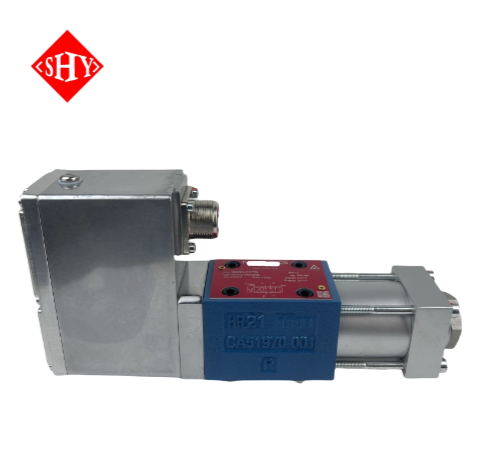
Choosing the right pressure relief valve is crucial for system safety and efficiency. First, consider the maximum pressure your system can safely handle. The valve must open before this pressure is exceeded to prevent damage. Next, think about the type of fluid in your system—whether it's a gas, liquid, or a corrosive substance. This affects the material choice for the valve to avoid corrosion or degradation.
Also, the operating temperature range matters. Some materials and seals work better in high or low temperatures. Finally, check if the valve is adjustable or fixed. Adjustable valves offer flexibility but require careful handling to avoid unsafe settings.
Valve sizing is vital to ensure the valve can relieve pressure quickly enough. If the valve is too small, it won’t vent excess pressure fast, risking system failure. If it’s too large, it might open too easily, causing unnecessary pressure drops.
Sizing depends on the maximum flow rate your system might experience during a pressure surge. You want a valve that can handle this flow without being overworked. Use manufacturer flow charts or consult experts to match valve size to your system’s flow and pressure requirements.
The flow characteristics of a valve describe how it opens and how much fluid it can pass at different pressures. Some valves open gradually, others snap open quickly. Choose one that suits your system’s dynamics to avoid pressure spikes or sudden drops.
Material selection impacts durability and compatibility. Common materials include brass, stainless steel, and aluminum. For corrosive fluids, stainless steel or special alloys are better. Seal materials like Buna-N, EPDM, or Viton must also match the fluid and temperature conditions.
| Factor | Consideration |
|---|---|
| Pressure Rating | Must be below system’s maximum pressure |
| Fluid Type | Compatibility with valve materials |
| Temperature Range | Material and seal suitability |
| Valve Adjustability | Adjustable for flexibility, fixed for safety |
| Valve Size | Matches max flow rate to relieve pressure |
| Flow Characteristics | Gradual or quick opening depending on system |
Selecting the right valve ensures your system stays safe and operates efficiently.
Tip: Always verify valve sizing using manufacturer data and consider consulting professionals to ensure compatibility with your specific system conditions.
Before adjusting a pressure relief valve, it’s essential to understand how it works. Most valves use a spring to hold the valve closed until system pressure exceeds a set point. Turning an adjustment screw changes the spring tension, which alters the pressure at which the valve opens. This mechanism is delicate; too much force or improper handling can damage the spring or valve components, leading to malfunction.
Always identify the valve type first—spring-loaded valves are common and adjustable, but some valves come factory-set and non-adjustable. Adjusting a non-adjustable valve risks voiding warranties or causing unsafe conditions. Knowing the valve’s inner workings helps you make precise adjustments without harming the system.
Pressure relief valves are safety devices designed to protect equipment and personnel. Adjusting them improperly can cause system failures or hazardous pressure build-ups. Therefore, always check local regulations and industry standards before making any changes. These standards often dictate maximum allowable pressures and testing procedures.
Use proper tools and personal protective equipment (PPE) when working on pressurized systems. Isolate the valve from the system if possible, and relieve pressure before starting adjustments. Never bypass safety features or ignore manufacturer instructions. Compliance ensures safe operation and helps avoid legal or insurance issues.
Adjusting Without Testing: Changing the valve setting without verifying system pressure can cause overpressure or premature valve opening. Always test after adjustment.
Over-tightening the Adjustment Screw: Forcing the screw too much can damage the spring or valve seat, leading to leaks or failure.
Ignoring Valve Type: Attempting to adjust a non-adjustable valve risks damaging it or voiding warranties.
Skipping Safety Measures: Not isolating the valve or relieving pressure before adjustment can cause injury.
Neglecting Documentation: Failing to record adjustments can lead to confusion or unsafe settings later.
Avoid these mistakes by following step-by-step procedures, wearing PPE, and consulting manuals or professionals if unsure.
Before you start adjusting the pressure relief valve, ensure safety first. Shut down the system or isolate the valve if possible. Confirm there is no pressure in the line by checking the pressure gauge. Wear proper personal protective equipment (PPE), such as gloves and eye protection. Review the valve’s manual to understand its adjustment mechanism and limits. Remember, not all valves are adjustable—verify yours is. Have the right tools ready, typically a wrench or screwdriver for the adjustment screw. Also, keep a calibrated pressure gauge nearby to monitor changes accurately during adjustment.
Most pressure relief valves have an adjustment screw or bolt that controls the spring tension. This screw is often hidden under a protective cap or sealed with a tamper-proof device. Carefully remove any caps or seals without damaging them. Some valves use an acorn nut or locking nut to prevent unintended changes—loosen this before adjusting. Be gentle to avoid damaging the spring or valve internals. Identify the direction to turn the screw: clockwise usually increases spring tension (raising set pressure), counterclockwise decreases it. If unsure, consult the valve’s documentation or manufacturer.
Make small, incremental turns on the adjustment screw. Turn clockwise to increase the valve’s opening pressure and counterclockwise to decrease it. After each adjustment, observe the pressure gauge and note the valve’s response. Avoid over-tightening, which can damage the spring or valve seat. Once you reach the desired pressure, secure the adjustment screw by tightening any locking nuts or replacing the protective cap. It’s crucial to test the valve after adjustment by slowly increasing system pressure to confirm the valve opens at the set point. If the valve does not open correctly, readjust as needed, then retest. Always document the new settings for future reference and compliance.
Testing pressure relief valve adjustments is crucial to ensure system safety and performance. After making any change to the valve’s set pressure, you must verify it opens at the correct pressure point. Without testing, the valve might open too early or too late, risking equipment damage or hazardous overpressure conditions.
Proper testing confirms the valve relieves pressure as intended, prevents false activations, and avoids failure to open when needed. It also helps detect if the valve’s flow capacity matches system demands. Testing is not just a formality; it’s a vital step to protect your system and personnel.
Several methods exist to test pressure relief valves, depending on the system and valve type:
In-situ Testing: Increase system pressure slowly while monitoring a calibrated pressure gauge. Watch for the valve to open near the set pressure. This method is common in operational systems but requires caution and proper isolation.
Test Bench Testing: Remove the valve and test it on specialized equipment that simulates system pressure. This allows precise control and measurement but requires valve removal.
Bypassing Pressure Switch: Temporarily bypass or disable the pressure switch to allow pressure buildup beyond normal limits. This helps confirm the valve opens at the adjusted set point. Always have a manual shutoff ready to prevent overpressure.
Pressure Gauge Monitoring: Use a high-accuracy gauge close to the valve to detect pressure drops when the valve opens, indicating proper function.
During testing, observe the valve opening pressure and ensure it falls within the desired tolerance, typically ±5% of the set pressure. Also, confirm the valve reseats properly after pressure drops.
If the valve does not open at the expected pressure or fails to reseat, consider these troubleshooting steps:
Incorrect Adjustment: Recheck the adjustment screw position. Small changes can significantly affect set pressure.
Valve Sticking: Deposits, corrosion, or mechanical wear can cause the valve to stick open or closed. Clean or replace parts as needed.
Flow Capacity Mismatch: If the valve opens but pressure does not drop sufficiently, the valve may be undersized. Select a valve with higher flow capacity.
Pressure Gauge Errors: Verify the accuracy of the pressure gauge used during testing. Faulty gauges can mislead adjustments.
Spring Fatigue or Damage: Springs lose tension over time, affecting set pressure. Replace springs if suspected.
Improper Installation: Check for correct valve orientation and that no obstructions exist downstream.
If problems persist, consult valve manufacturers or professionals to ensure safe and effective operation.
Tip: Always test pressure relief valve adjustments under controlled conditions and have emergency shutdown procedures ready to prevent overpressure accidents during testing.
Regular inspections keep pressure relief valves reliable and safe. Start by visually checking the valve and surrounding area for leaks, corrosion, or damage. Look for signs of dirt, debris, or buildup on the valve body and seat. These can prevent the valve from sealing properly or opening when needed.
Inspect the valve’s adjustment mechanism to ensure it’s secure and free from tampering. Check any protective caps or seals to confirm they are intact. Use a calibrated pressure gauge to verify the valve’s set pressure matches system requirements.
Make it routine to test the valve’s operation, either by gradually increasing system pressure or using specialized test equipment. This confirms the valve opens and closes correctly and maintains the correct pressure setting.
Pressure relief valves can wear out over time due to constant use and exposure to harsh conditions. Watch for these common signs:
Corrosion or rust: Damages metal parts, reduces valve integrity.
Spring fatigue: Causes the valve to open at incorrect pressures.
Valve seat damage: Leads to leaks or failure to reseal.
Seal deterioration: Results in fluid leaks and reduced performance.
Mechanical sticking: Valve may stick open or closed, risking system safety.
Physical damage: Dents, cracks, or loose components affect operation.
If you observe any of these, schedule maintenance or replacement promptly. Ignoring wear can lead to valve failure, system damage, or safety hazards.
Pressure relief valves are critical safety components. While routine inspections and minor maintenance can be done in-house, complex issues require professional expertise. Work with certified technicians or valve manufacturers for:
Detailed diagnostics and testing.
Calibration and re-certification.
Repair or replacement of worn parts.
Compliance checks against industry standards.
Training on safe adjustment and maintenance procedures.
Professional support ensures valves operate safely and efficiently, reducing downtime and risk. Keep detailed records of all inspections, maintenance, and professional interventions for compliance and future reference.
Adjusting pressure relief valves requires understanding their mechanics, ensuring safety compliance, and avoiding common mistakes. Proper adjustment involves careful handling and precise testing to confirm the valve opens at the correct pressure. It's crucial to seek professional guidance for complex issues, ensuring optimal system performance and safety. Xiamen Senhengyuan Machinery Equipment Co., Ltd. offers high-quality valves designed for durability and efficiency, providing exceptional value to customers by ensuring reliable system protection and performance.
A: A pressure relief valve is a safety device that prevents excess pressure in systems by opening at a preset limit to vent fluid or gas. It is crucial for avoiding equipment damage and ensuring safety.
A: To adjust a pressure relief valve, turn the adjustment screw to change the spring tension, altering the pressure at which the valve opens. Always follow safety precautions and verify adjustments with a pressure gauge.
A: Choosing a hydraulic pressure relief valve from a China hydraulic valve manufacturer ensures access to high-quality valves, competitive pricing, and advanced technology from a reputable hydraulic valve factory.
A: The cost of pressure relief valves depends on the type, size, material, and manufacturer. High-quality valves from a hydraulic valve supplier may offer better durability and performance, impacting price.
A: Troubleshoot by checking for incorrect adjustments, valve sticking, flow capacity mismatches, or pressure gauge errors. Consult a hydraulic valve supplier or manufacturer for professional assistance.


